AI solutions
What we do
Services
Experts in
How we work

















We keep projects on track by managing their scope and tracking the Schedule Performance Index (SPI). If changes come up in the middle of the digital product development process, we’ll promptly show you how they might impact time and costs. This keeps you informed, with a predictable timeline and steady progress — no surprises, just clear and consistent results.
We track the Cost Performance Index (CPI) to keep spending on target. Weekly reports give you real-time insights into digital product development services progress, comparing estimates to actual spending. Only approved work gets invoiced, so there are no hidden costs or surprises, and a predictable and transparent budget lets you focus on business growth.
Staying connected with your project is easy thanks to strong management on our side and regular check-ins. You’ll always be in the loop regarding progress, timelines, budgets, and milestones, with full access to reports and documents. Our transparent tracking system gives you control and confidence by showing that your objectives are on track.
Potential risks? We’re on it. Our proactive risk management tracks each risk’s status, likelihood, and mitigation plan, so you’re always covered. With our risk register in place, you can stay focused on your goals, knowing that any possible challenges will be handled professionally well before they impact your project.
Several principles in our approach contribute to that.
We agree on acceptance criteria and a QA approach at the start of the project, so what "good" means is written down before anyone starts. From there, development runs in two-week sprints with a working demo at the end of each one. You review features as they land, and anything that doesn’t meet initial requirements gets caught while it's cheap to fix. Plus, we handle continuous testing throughout digital product development stages: code reviews, unit and regression tests, and automated testing where stability is critical.
Every change goes through the same route. We estimate what it does to the timeline and budget, show you the numbers, and you make the call.
Usually, it goes one of three ways. The change swaps out something else in the sprint, so the timeline holds. It extends the timeline or the budget, and you approve that. Or it's small enough to absorb without either.
That's the mechanism behind our CPI and SPI variance staying under 10%. The plan holds because nothing enters a sprint without a decision behind it.

Clients benefit most when one team owns the entire product lifecycle. Full ownership keeps responsibility and context in one place, allowing the team to work autonomously and move faster without risking product quality. The team that helps shape the product early understands why certain decisions were made and can carry that understanding through development and further improvements. That continuity makes the delivery process feel steady and easier to manage.

When you do this work properly upfront, delivery becomes much calmer. There is less back-and-forth, fewer surprises, and far less rework. That discipline is a big reason why, across 200+ projects, we consistently keep cost and schedule variance under 10%.

We give special attention to maintaining alignment throughout delivery, through demos, shared documentation, and continuous validation. This approach results in a 99.89% work acceptance rate across projects. It’s not something we chase directly; it’s simply how delivery behaves when quality practices are built into the process.

After 10+ years of building products, we’ve learned that technical decisions work best when they’re made with a clear understanding of how the product will be used, scaled, and maintained. We look at performance requirements, scalability needs, and cost together, then choose an approach that fits the product’s constraints and goals.
We always make those decisions explicit and transparent, so everyone understands why a certain setup was chosen and how it will hold up as the product evolves.

Seamless scaling is usually the result of many small decisions made consistently over time.
We design systems so new functionality can be added without affecting critical paths or creating hidden dependencies, from service interactions to data handling and load distribution. On platforms we’ve built and scaled, keeping this structure intact allowed the product to evolve while maintaining around 99.99% uptime in production.
We focus on AI use cases where there is real potential. That’s why our clients see measurable results, such as reducing manual workflows by 40–65%, cutting decision-making time by up to 40%, and achieving ROI payback in under 3 months through AI-powered automation and predictive models embedded directly into their products. By selecting use cases that can be implemented, adopted, and maintained in production, AI becomes a reliable part of the product.
We stay responsible for the product across all stages, from discovery and design to development, launch, and further growth. With 10+ years of delivery experience, we’ve built a clear development process and know how to adapt it to each project’s specifics.
AI runs alongside the team at every stage, taking routine work like boilerplate code and document creation off our engineers so their skills, time, and effort goes into tasks around architecture, security, and product logic. Senior specialists own every decision and validate AI output, and delivery moves up to 30% faster as a result. One team still owns the full delivery cycle, so decisions stay consistent, context isn’t lost, and progress doesn’t slow down between phases or handovers.
Clients benefit most when one team owns the entire product lifecycle. Full ownership keeps responsibility and context in one place, allowing the team to work autonomously and move faster without risking product quality. The team that helps shape the product early understands why certain decisions were made and can carry that understanding through development and further improvements. That continuity makes the delivery process feel steady and easier to manage.
Before development starts, we make sure the scope, constraints, and real workflows are fully confirmed, so the team is not forced to make assumptions later. This stage is what helps our clients avoid $30,000+ in rework that can appear if development starts without preparation and alignment.
When you do this work properly upfront, delivery becomes much calmer. There is less back-and-forth, fewer surprises, and far less rework. That discipline is a big reason why, across 200+ projects, we consistently keep cost and schedule variance under 10%.
We build products that behave predictably in real conditions because quality is always kept front and center. At the start of each project, we align on quality requirements and set up an appropriate QA approach.
We give special attention to maintaining alignment throughout delivery, through demos, shared documentation, and continuous validation. This approach results in a 99.89% work acceptance rate across projects. It’s not something we chase directly; it’s simply how delivery behaves when quality practices are built into the process.
We help teams make technical decisions that fit their product, timeline, and long-term plans. From architecture and integrations to tooling and data flows, we guide choices early so the system stays stable, maintainable, and ready to evolve.
After 10+ years of building products, we’ve learned that technical decisions work best when they’re made with a clear understanding of how the product will be used, scaled, and maintained. We look at performance requirements, scalability needs, and cost together, then choose an approach that fits the product’s constraints and goals.
We always make those decisions explicit and transparent, so everyone understands why a certain setup was chosen and how it will hold up as the product evolves.
We design products so growth does not require rework. From the start, we think through data volumes, user growth, integrations, and feature expansion, then build a foundation that can support them gradually.
As the product evolves, new functionality fits into the existing system without disrupting what already works.
Seamless scaling is usually the result of many small decisions made consistently over time.
We design systems so new functionality can be added without affecting critical paths or creating hidden dependencies, from service interactions to data handling and load distribution. On platforms we’ve built and scaled, keeping this structure intact allowed the product to evolve while maintaining around 99.99% uptime in production.
We treat AI as a high-value product capability rather than an experimental feature. Each use case is scoped around real workflows, available data, and clear outcomes, so AI improves how the product works instead of adding complexity. The focus is on features that can be implemented, adopted, and bring additional value to users.
We focus on AI use cases where there is real potential. That’s why our clients see measurable results, such as reducing manual workflows by 40–65%, cutting decision-making time by up to 40%, and achieving ROI payback in under 3 months through AI-powered automation and predictive models embedded directly into their products. By selecting use cases that can be implemented, adopted, and maintained in production, AI becomes a reliable part of the product.
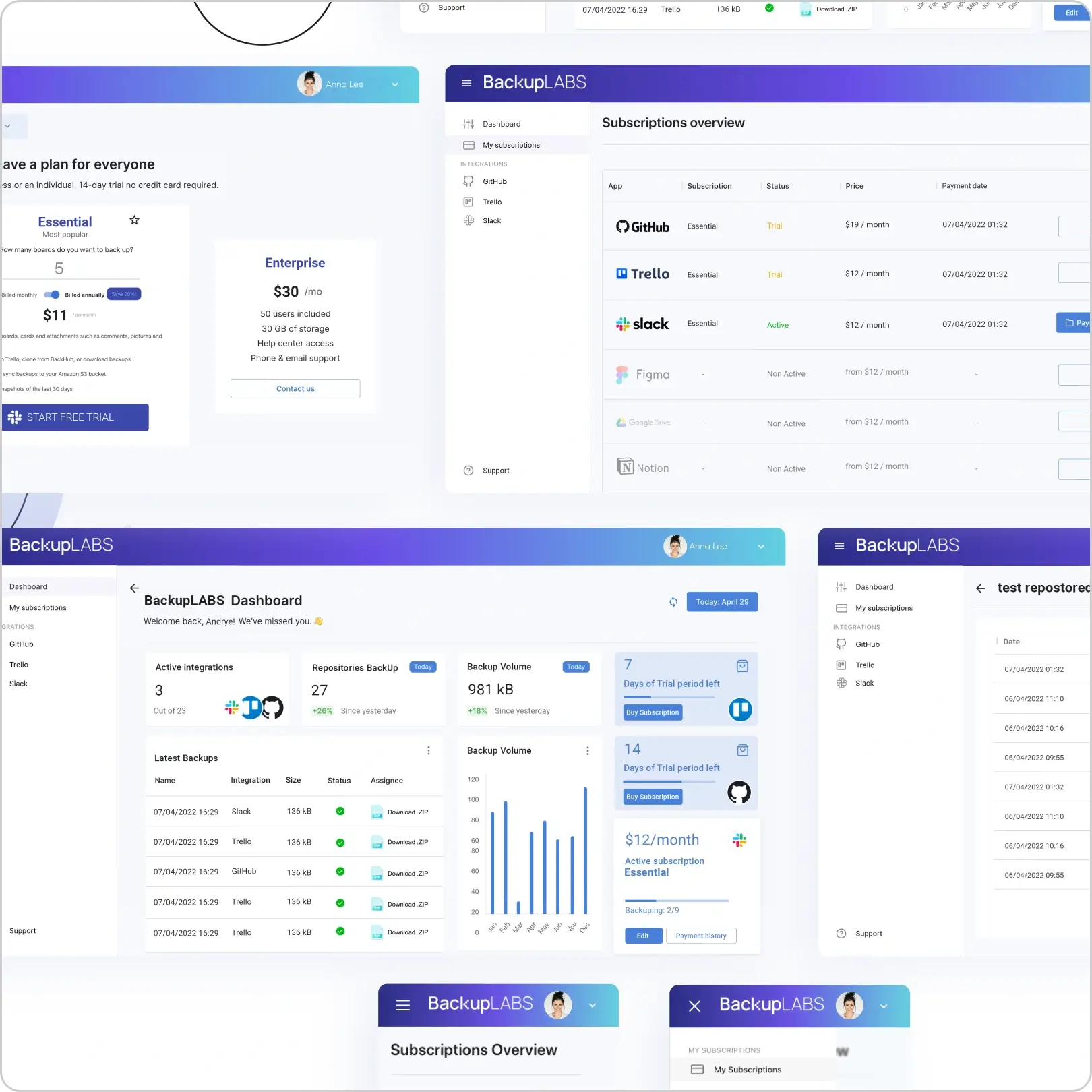
Build scalable, cloud-based software that is accessible worldwide, cutting costs and ensuring steady subscription revenue.
Design and build custom ERP platforms that unify operations, automate core workflows, and provide a single source of truth across teams.
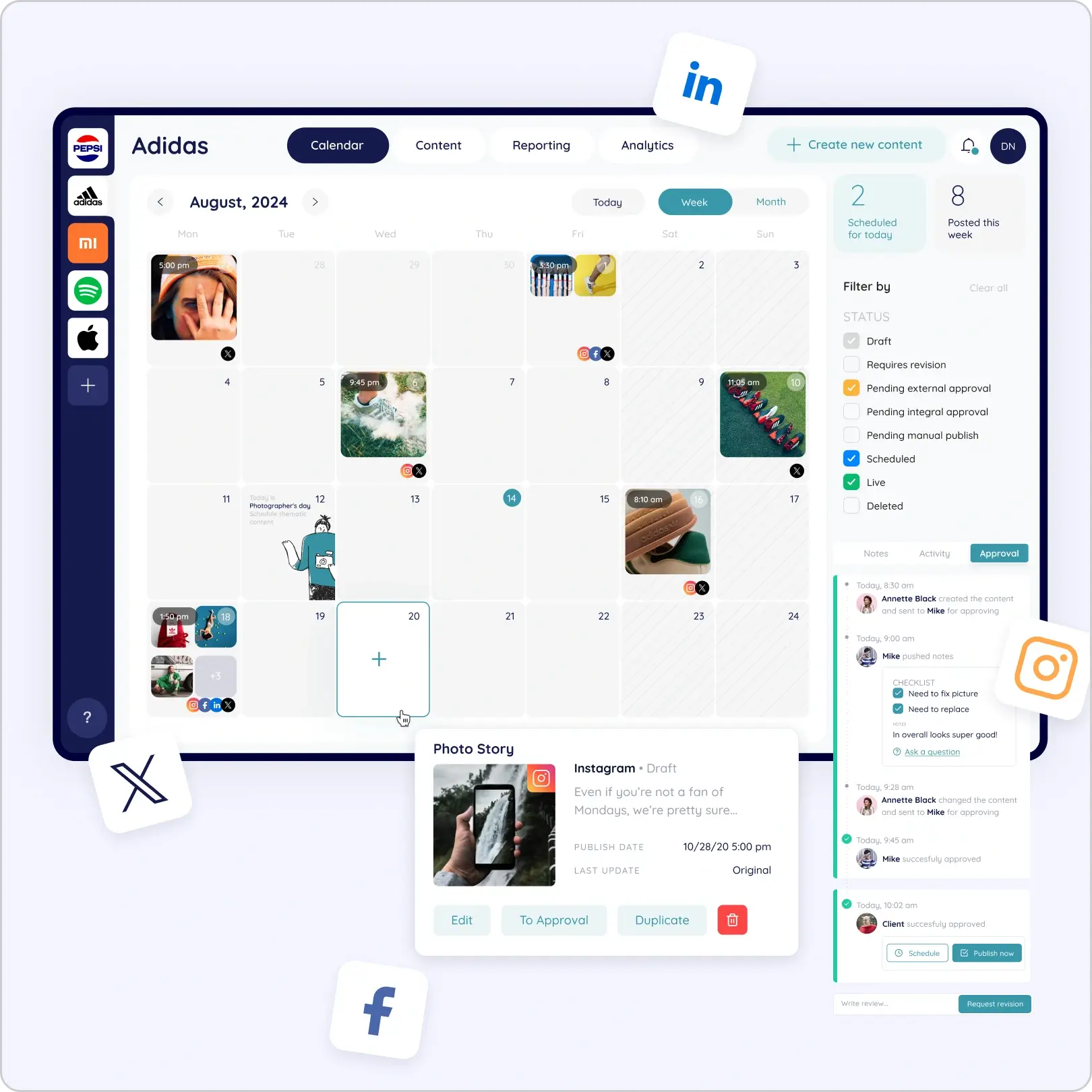
Launch platforms that link vendors and customers to expand your reach and open up new revenue opportunities.
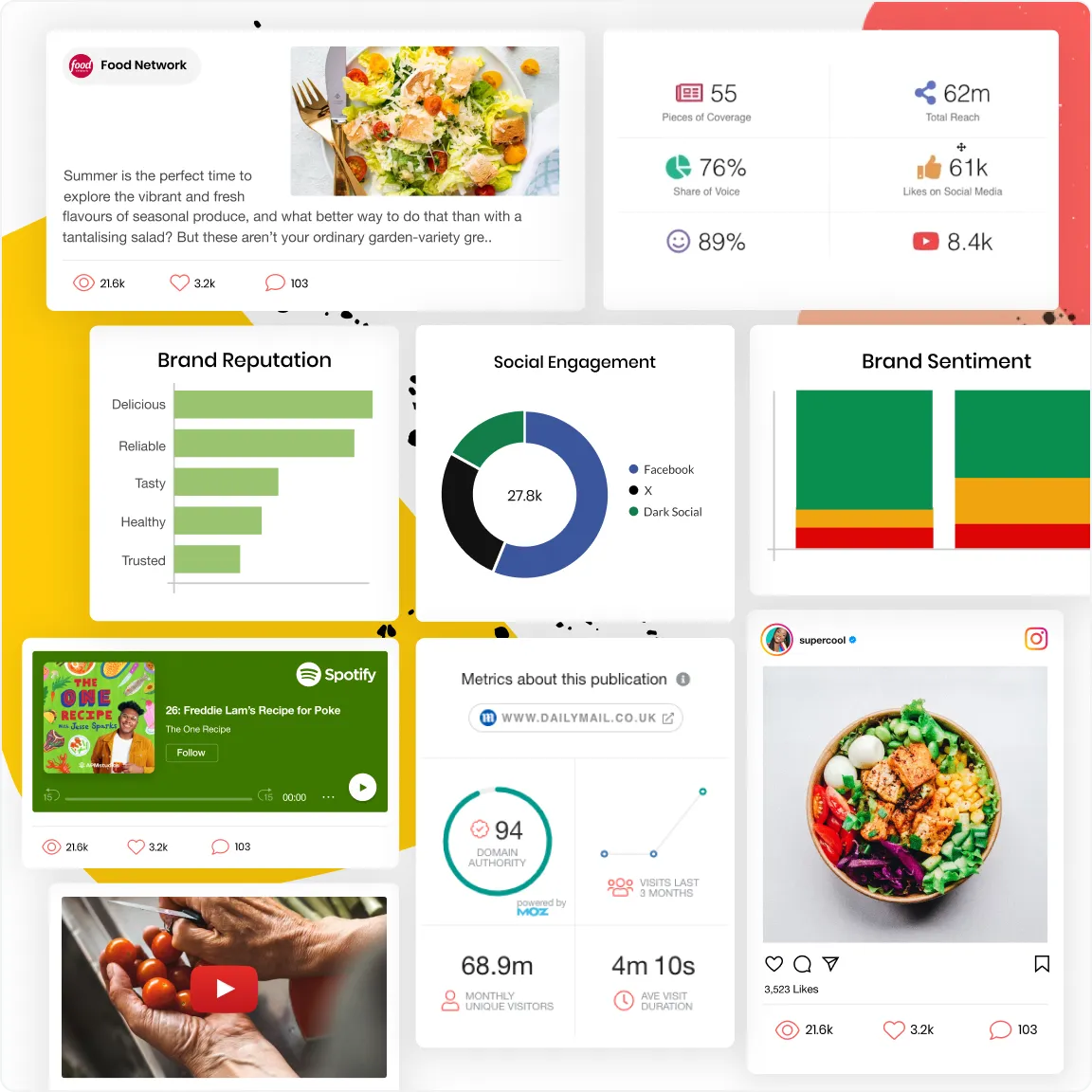
Turn your complex data into easy-to-understand charts, providing insights to make confident, informed decisions faster.
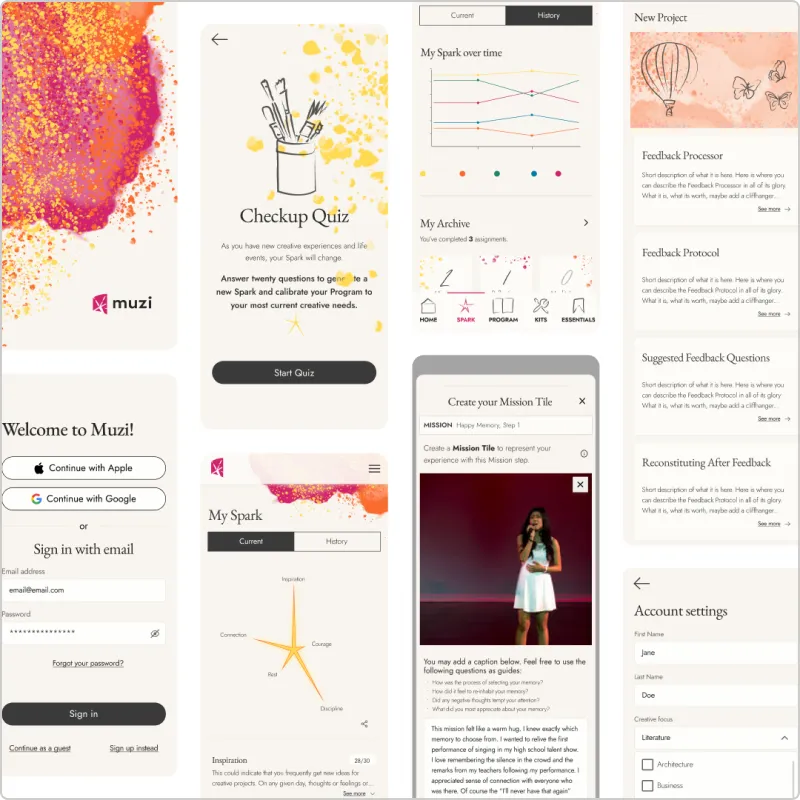
Capture your customers’ attention with location-based apps, offering personalized services that boost loyalty and sales.
As a digital product development company, we can cover the full cycle: discovery and requirements, UX/UI design, architecture, development, QA, deployment, and post-launch support. You get one team across every stage, so context doesn't get lost at handovers.
Alongside that, we handle API integrations with your existing systems, AI features where they fit the product, and modernization work on platforms that already exist.
Yes, after the first release, we are ready to stay on the project and help you with maintenance or improvements.
Some clients keep a small setup just to monitor performance, fix issues, keep integrations working when third parties change their APIs, and release minor updates. Others keep the same team running and work through a roadmap. In this case, we build new features based on new priorities and user insights, do performance work, and make UX improvements.
Our digital product development services cover both setups, and you can move between them as the product's needs change.
We offer two cooperation models:
End-to-end digital product development. We own delivery from discovery to launch. You get one team handling requirements, design, architecture, development, QA, and deployment, with a project manager as your single point of contact.
Dedicated development team. We provide specialists who join your existing team. It fits when you have a skill gap to cover or not enough capacity to move the product forward, and you want experienced people fast.
Some clients start with one and move to the other. An end-to-end project that goes well often turns into a dedicated team once the product is live and the roadmap keeps growing.
Yes, most of our projects include integrations. So far, we've delivered 100+ integrations, including databases, CRMs, ERPs, payment providers, analytics tools, and internal custom systems.
We handle the whole piece: mapping the data flow, connecting the API, and testing that the connection holds under required conditions.










UX/UI design focused on usability and clarity for products with complex logic and daily operational use.
Consistent functionality and user experience across web, iOS, and Android, built from a single, well-structured codebase.
Design and implement stable API integrations, backed by experience of 100+ integrations that connect internal systems and 3rd-party tools.
Practical AI features integrated into products to reduce manual work, improve accuracy, and support better everyday decisions.
Yes. It usually takes one of two shapes. We take a whole area (the mobile app, integrations, or a module your team doesn't have time for) and own it end-to-end. Or we add specialists to your team where the skill gap is, working in your sprints, your repo, your code review process.
How the work splits depends on where your team is stretched, and we agree on the split and the ownership boundaries upfront.
Yes. If you have brand guidelines, a design system, or an existing component library, we work within them.
Our designers review what you have first and check whether it covers everything development needs. If something's missing, we'll tell you what and offer to add it. You can also hand that back to whoever did the original design — either way works for us, as long as the gap gets closed before development starts.
Often, yes. If the backend and business logic are solid and the problem is how the product looks and feels, we can replace the interface layer and leave the rest running.
Our designers work through the current flows, rework the screens, and we rebuild the frontend against your existing API. Users get an updated interface, but your data, integrations, and core logic stay where they are.
Sometimes a redesign surfaces backend work anyway — a flow that needs different data, an endpoint that can't support the new screen. We'll tell you what we find during review, with the cost attached, so you decide how far to go.
We identify workflow steps that create the most friction and cost, then automate them using AI, replacing manual data handling, document analysis, decision routing, customer interactions, and internal coordination with reliable automation. Our team selects and configures the right models, adapts them to your data and processes, and integrates them directly into your product.

We work with your historical and live data within your systems to generate forecasts that support better planning and decision-making. Models are tailored to your specific analytics goals, and insights are presented through custom interfaces that fit naturally into the tools and workflows your team already relies on.

When your systems generate valuable operational data, we help turn it into revenue streams using AI. This can range from internal analytics products to insight packages designed for partners, suppliers, or customers. We apply AI to uncover meaningful patterns, translate them into clear, usable insights, and deliver them through products, reports, or embedded features that can be commercialized.
We help stabilize your codebase when it has grown unstable due to rushed decisions, quick fixes, or uncontrolled AI-generated code. Our team reviews the architecture, stabilizes core logic, and removes unnecessary complexity Our goal is to bring the system back to a maintainable state, where the code behaves predictably, and your team can continue building without working around hidden issues.

Over 3–8 weeks, we run working sessions with your stakeholders to lock the product vision and translate it into specs: a prioritized feature map, an architecture draft, a risk register, a clear estimate.
Our experience isn't the only reason discovery is fast and solid. AI compresses specs work by up to 75% and surfaces 10–15% more edge cases. Our specialists still make all the decisions.
Our design work is focused on usability, responsiveness across devices, and fit with your brand. Design moves from first wireframes to final interfaces, with you reviewing each iteration, so feedback shapes the product.
Plus, we have AI-assisted workflows for generating structured documentation. Our designers still own visual direction, brand decisions, and design creation.
We build in 2-week sprints with a working demo at the end of each one, so you can review features and adjust priorities if needed.
Plus, we achieve a 30% velocity boost by letting AI handle routine work like boilerplate code. This lets our engineers focus on high-value tasks around business logic and architecture, while we still monitor and validate every AI output through a 5-stage pipeline.
Testing scope is set against quality goals we agree on upfront. For lower-risk projects, we keep things tight with regular code reviews, unit checks, and regression tests. Where stability is critical, we bring the full kit: automated unit, integration, and end-to-end tests, and stress testing. Plus, AI helps us cut test-writing time by up to 74% and catch more edge cases engineers might skip.
By launch, every feature is tested and documented, releases are planned, and rollback paths are in place — our 99.89% work acceptance rate reflects that discipline. After release, we monitor performance and collect feedback you get from users, then help with planning and executing the next iteration around that feedback.
If you’re ready to wrap up project development, we close it properly: full documentation, knowledge transfer to your team, and a support window so nothing falls in the gap. But if you’re looking to keep growing, we’re here to help your product evolve based on user feedback, behavioral data, and market signals, prioritizing features with the strongest impact-to-cost ratio.
200+
digital products
<10%
CPI & SPI variance
99.89%
acceptance rate
30%
higher velocity
At Clockwise Software, we help you avoid vendor lock-in through transparency and proper handover practices. You have access to all documentation and project boards throughout the project. At handover, source code and repository ownership transfer to you, plus admin rights on cloud services, databases, etc. Plus, we run sessions with your team to walk them through the system and make sure you can run it without us.
You do. Source code, documentation, design files, and intellectual property are yours, with the transfer written into the contract from the start.
Head of Client Relations

That’s why our projects run with less than 10% cost and schedule variance. You can plan with confidence, knowing your budget and timeline won’t slip.
$15,000 to $50,000
Refine your idea and validate it with a small-scale prototype
$50,000 to $100,000
Start building your digital product with minimal initial investment
$100,000 to $500,000
Launch a monetization-ready application
$500,000+
Prepare to beat the competition right away
All the work needed to get to a stable launch: discovery and planning, architecture, UX/UI design, development, QA, deployment, integrations, and infrastructure setup. The estimate breaks down by stage, so you see what each phase costs and what it produces.
Third-party costs — cloud hosting, subscriptions, payment processing fees, App Store and Google Play accounts — go in as separate lines. You pay those directly to the providers, and we list them so you see the full picture from the start.
A discovery and prototype phase runs 3–8 weeks. An MVP usually takes 5–6 months from kickoff to launch. A sales-ready product with custom design and broader functionality lands around 6–12 months, and market-leading platforms run longer, often in phases.
The key factor that impacts the timeline is scope: how many user roles and workflows the product has, how many systems you're integrating with, how many features your product includes, and whether you need web and mobile or just one.
Yes. Discovery runs 3–8 weeks depending on the project scope, and produces a prioritized feature map, an architecture draft, a risk register, UI/UX design, and a cost and timeline estimate.
All of it is yours. Continue with us and we go straight into development with the plan set. Take it to another team and the documentation works just as well for them. Discovery is priced and contracted on its own, so the decision stays open.
Enhance your marketing with AI personalization, CRM integration, and customer data platforms for better insights and ROI
Boost client satisfaction, accelerate deal closures, and stay competitive with tailored real estate tech solutions.
Cut costs, speed up deliveries, and gain a competitive edge with tools for supply chain, routing, and delivery tracking.
Achieve better patient outcomes, smoother operations, and full compliance with custom solutions for medical facilities.
Enhance user experiences and stand out with next-gen streaming and content-sharing platforms, along with gamification solutions.
Improve production visibility, cut downtime, and optimize planning with software that connects operations, inventory, and quality control.