AI solutions
What we do
Services
Experts in
How we work




















Our job is to keep things simple for you. We set up a personalized communication plan, provide regular demos, and share reports that compare initial estimates to actual progress. You stay informed without needing to chase updates. This structure supports delivery that stays on track and easy to follow.

We focus on designing systems that perform well now and stay reliable as complexity increases. We define data flows, module boundaries, and integration patterns early, so new features extend the system without causing instability. This is why our platforms maintain about 99.99% uptime even as traffic and functionality grow.

We scope a specific use case, confirm your data can support it, and plan AI integration as part of the system. When AI is built into the product’s logic from the start, results follow quickly and at a manageable cost — projects we’ve worked on have seen outcomes like a 10% increase in profitability and higher average revenue per customer.

Speed in delivery doesn’t come from neglecting quality. It comes from structure: defined scope, clear milestones, and tight feedback loops. We monitor progress against CPI and SPI throughout, keeping variance under 10% and identifying blockers early. Clients get to launch on time without trading off long-term product quality.
With 10+ years of experience and over 200 delivered projects, we give clear, realistic estimates that hold up during delivery. Scope is defined early. Risks are assessed before work starts. And communication stays structured. That’s what helps prevent the quiet cost drift that usually shows up in complex products. All financial details are clearly reported and aligned with the agreed scope.
Each provider has its own data formats, rate limits, and behavioral patterns, so we evaluate these constraints early and design sync flows that remain stable as the product grows. Our experience across major marketing APIs allows us to anticipate edge cases before they become issues and ensure the system moves data consistently across tools, channels, and environments
You get one team to move your MarTech product from early concept to release and further growth. We cover discovery, data architecture, UX/UI, development, integrations, testing, deployment, and post-launch improvements. To keep delivery efficient, we use AI where it helps with routine work, such as API research, documentation, and test preparation, while engineers focus on architecture, security, product logic, and final decisions, as well as staying responsible for validating AI output.
Our job is to keep things simple for you. We set up a personalized communication plan, provide regular demos, and share reports that compare initial estimates to actual progress. You stay informed without needing to chase updates. This structure supports delivery that stays on track and easy to follow.
We design a clear architecture and data flows that keep the platform stable as your user base, integrations, and analytics needs grow. Each new feature fits naturally into the existing system, expanding its capabilities without affecting performance.
We focus on designing systems that perform well now and stay reliable as complexity increases. We define data flows, module boundaries, and integration patterns early, so new features extend the system without causing instability. This is why our platforms maintain about 99.99% uptime even as traffic and functionality grow.
We add AI to MarTech products where it can improve workflows: campaign forecasting, automated reporting, audience segmentation, content recommendations, and insight generation. Before implementation, we check whether your data can support the use case and choose an integration path that fits your product logic, budget, and timeline.
We scope a specific use case, confirm your data can support it, and plan AI integration as part of the system. When AI is built into the product’s logic from the start, results follow quickly and at a manageable cost — projects we’ve worked on have seen outcomes like a 10% increase in profitability and higher average revenue per customer.
We bring a structured delivery process and always align upfront on requirements for features, system behavior, and dependencies. This approach results in reduced risks, and steady progress that lets you launch according to your plans.
Speed in delivery doesn’t come from neglecting quality. It comes from structure: defined scope, clear milestones, and tight feedback loops. We monitor progress against CPI and SPI throughout, keeping variance under 10% and identifying blockers early. Clients get to launch on time without trading off long-term product quality.
We estimate your MarTech project based on your real scope and our past experience with similar platforms. During discovery, we define scope, technical constraints, and integration points. Throughout development, we track spending against the plan and flag deviations early.
With 10+ years of experience and over 200 delivered projects, we give clear, realistic estimates that hold up during delivery. Scope is defined early. Risks are assessed before work starts. And communication stays structured. That’s what helps prevent the quiet cost drift that usually shows up in complex products. All financial details are clearly reported and aligned with the agreed scope.
Your MarTech product is designed with interoperability at its core. From social platforms and ad networks to CRMs and analytics tools, your system connects cleanly across the entire marketing ecosystem.
Each provider has its own data formats, rate limits, and behavioral patterns, so we evaluate these constraints early and design sync flows that remain stable as the product grows. Our experience across major marketing APIs allows us to anticipate edge cases before they become issues and ensure the system moves data consistently across tools, channels, and environments
We structure data flows around rate limits and API constraints to ensure consistent performance and clean integrations.
We delivered MarTech platforms used by 3M+ users, with stable performance and scalable data flows across multi-GB datasets.
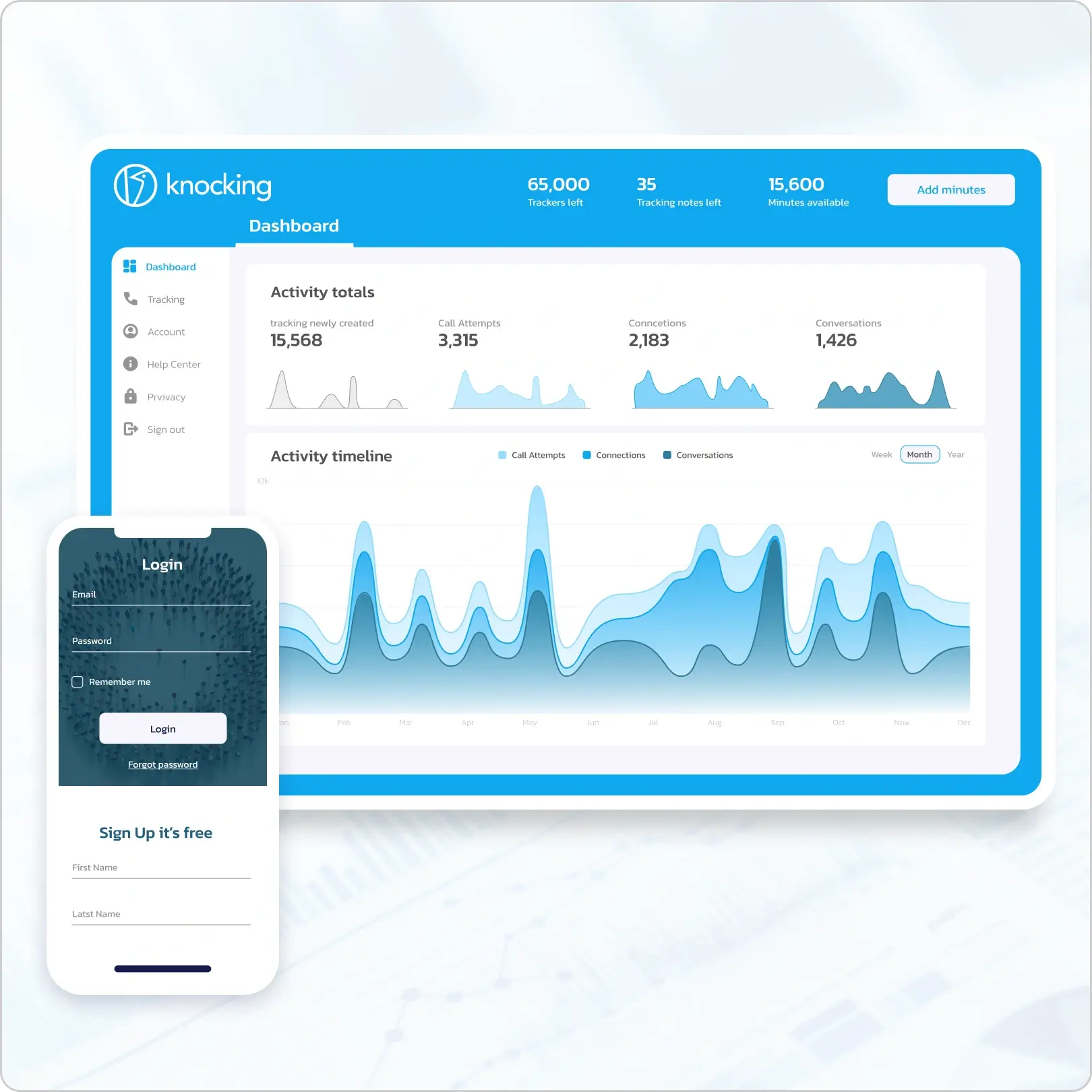
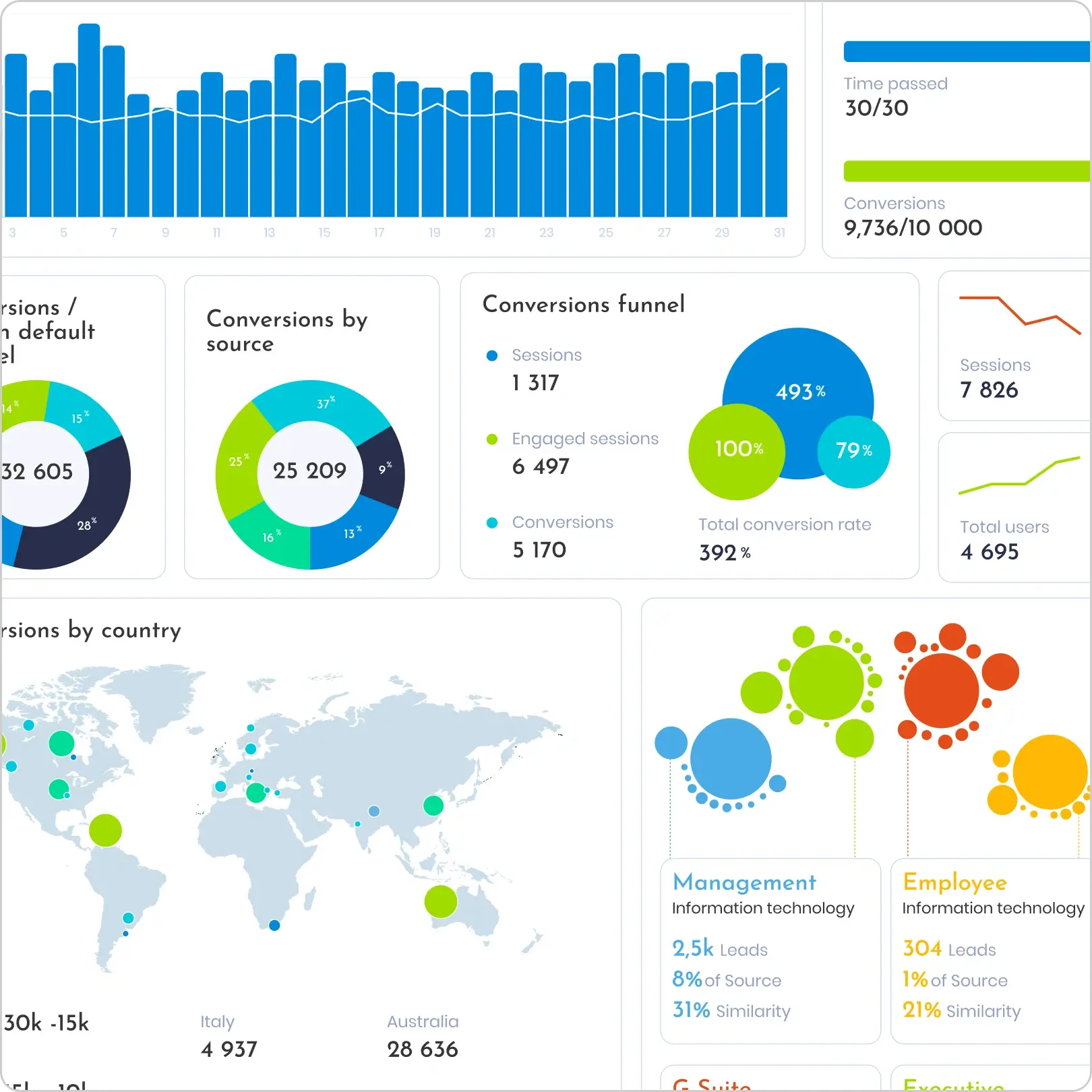
Delivered over 100 dashboards that organized complex marketing data into clear visuals with intuitive input and reporting.
Scaled MVPs into a production-ready SaaS platform with clean infrastructure and room to grow.
Both. We've built internal marketing tooling — reporting layers, campaign automation replacing a spreadsheet stack — and commercial platforms sold to agencies and brands.
The core engineering is similar either way: data flows across ad networks and CRMs, background processing, dashboards that hold up under load. Commercial products add multi-tenancy, per-client data separation, and billing. Internal tools skip that and get built tighter around your team's workflow.
GA4, HubSpot, Salesforce, Mailchimp, and a long tail of smaller tools and internal systems. Overall, we've worked with 100+ integrations, from marketing-specific tools to payment gateways, chat services, and custom internal tools.
If yours isn't on the list, it's usually still doable. We'll review the documentation, map the risks, and work out how to connect it the way your platform needs.
Yes, we can take over platforms you already have and improve them. We fix what's slowing the product down, rewrite the parts that can't handle current data volumes, add new integrations, and repair the ones that broke after an API change, bring infrastructure costs back under control, and ship new features on top of what's already there. Whatever the request, we'll allocate a team to handle it end-to-end.
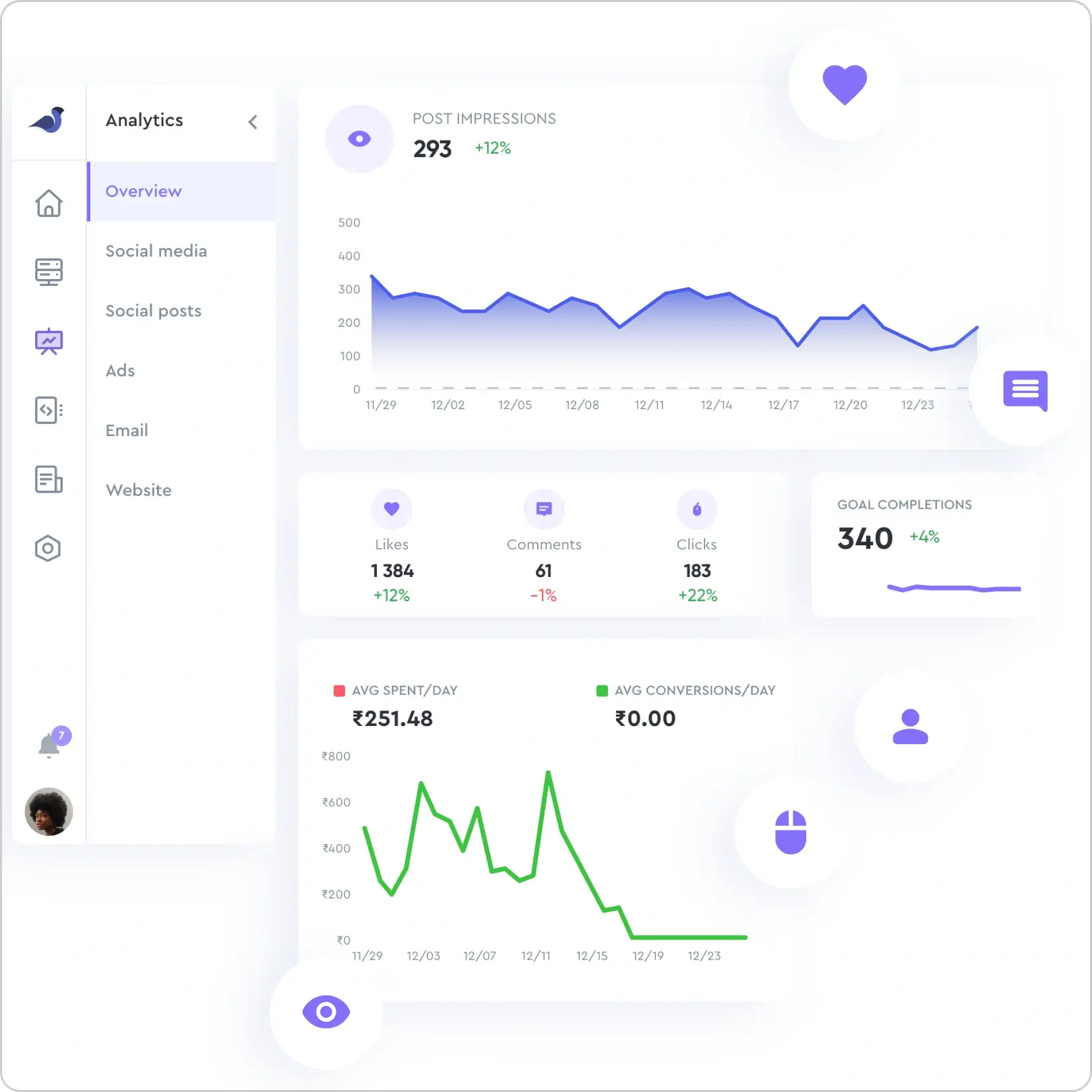
Graphs, charts, and presentation tools that transform scattered marketing data into clear visuals to support more confident decisions.
Unified metrics, trend analysis, and exportable reports that give teams a clear understanding of performance and emerging priorities.
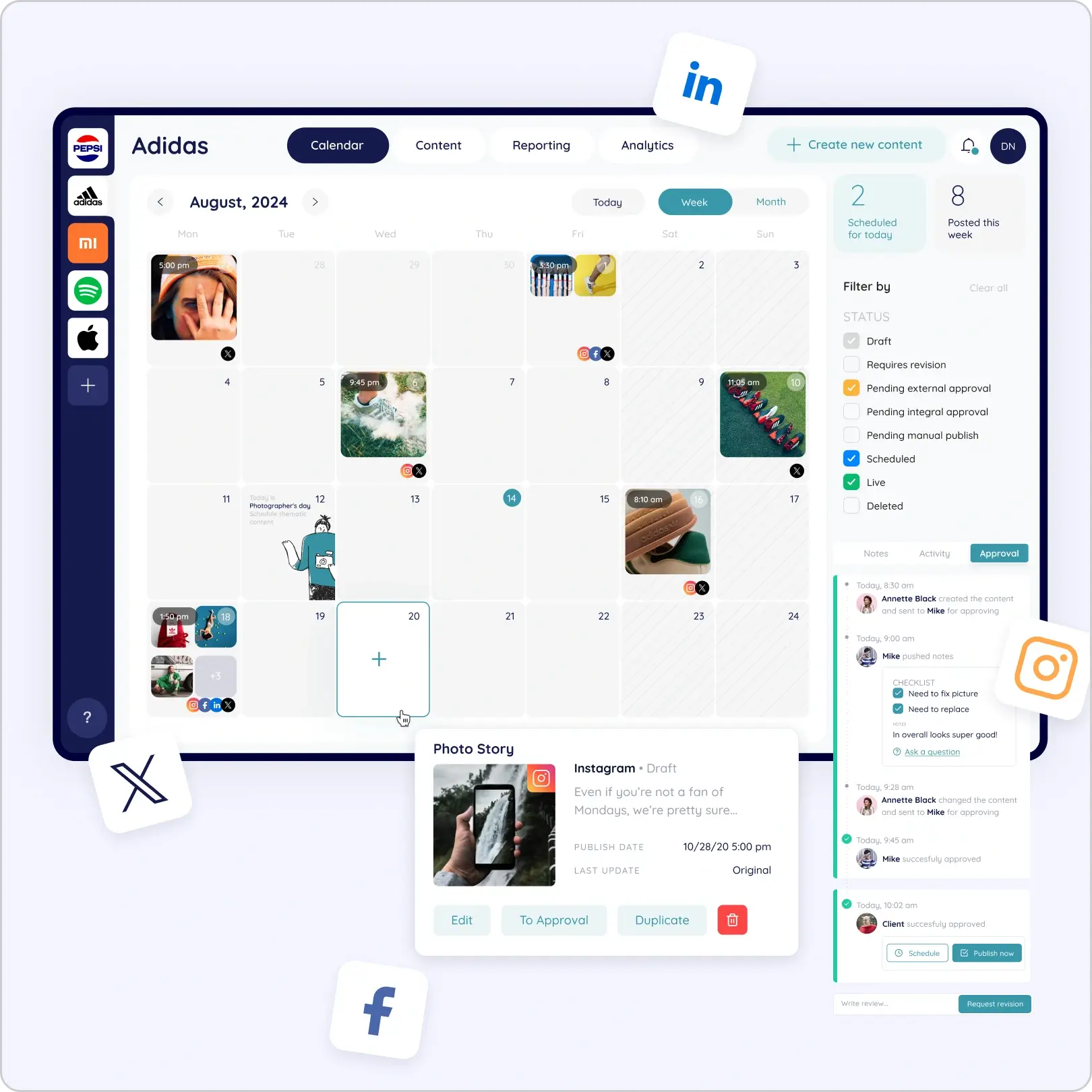
Planning, collaboration, and engagement tracking in one platform to simplify daily workflows and support stronger social performance.
Cross-channel scheduling, automated publishing, and content management that keep teams organized and help maintain a steady brand presence.
Yes. MarTech products usually have to pull data from many systems at once: CRMs, ad platforms, analytics tools, social networks, content channels, and internal databases. The challenge is not only to connect them, but to keep data accurate when every source has its own API rules, rate limits, formats, and sync delays.
Before development, we map each integration around your product logic: what data should move, how often it should update, which system is the source of truth, and what should happen when an API fails or returns incomplete data. This helps your platform support reliable reporting, automation, and daily workflows without turning integrations into a source of manual fixes.
Most likely, yes. We do custom development, and almost nothing we've delivered has fit neatly into one category. A social scheduling platform grows a reporting module. An analytics product picks up publishing features because that's what its users asked for.
Those five categories are where we've done the most work, so they're the ones we name. Plenty of our projects sit outside them. What you get is shaped around your workflows and your needs.
Mostly from scratch, and never with low-code or no-code platforms. Custom development is what we do.
That said, the approach flexes with your deadlines and budget. On MVPs, we often cover certain functionality with third-party services — Twilio for chat, for example — or start from pre-built dashboard templates. They're flexible enough to fit most cases and get your first version live faster.
Where the functionality is too specific for something off the shelf, we go custom. Which, on most projects, is where we end up anyway.










We handle the whole data flow across your sources (social platforms, CRMs, analytics tools, internal systems, etc.). We design what gets collected, how often it syncs, and which requests take priority when a rate limit is close. Throttling logic and fallback scenarios come with it, so when one API slows down or returns half the data, your dashboards and automations keep running on the rest.
When several flows in your product run on AI — reporting, segmentation, recommendations, insight generation — each one gets the model it needs. Judgment-heavy work goes to a large model, routine classification to a smaller one, and where a model adds nothing, plain rules handle it. You stay off a single provider, and your AI bill reflects the work being done.
We build segmentation, lead scoring, campaign triggers, and behavior-based workflows that handle large datasets without slowing the platform down. Those operations run in parallel and in the background, so opening a dashboard never means waiting for a segment recalculation to finish.
We keep heavy data processing away from the interface. Multi-channel data gets filtered, compared across time periods, and prepared for export in the background, while dashboards surface the metrics that matter through clear charts and reporting views. Reporting logic can get as complex as your team needs, and the product stays as fast as it was before.
Every connected ad account, social platform, analytics tool, and CRM comes with credentials someone has to look after. We handle storage, renewal, permissions, and role-based access, so an expired token never quietly breaks your reporting. Infrastructure gets sized to your real usage patterns, so syncs, reporting, and AI features scale on a predictable bill.
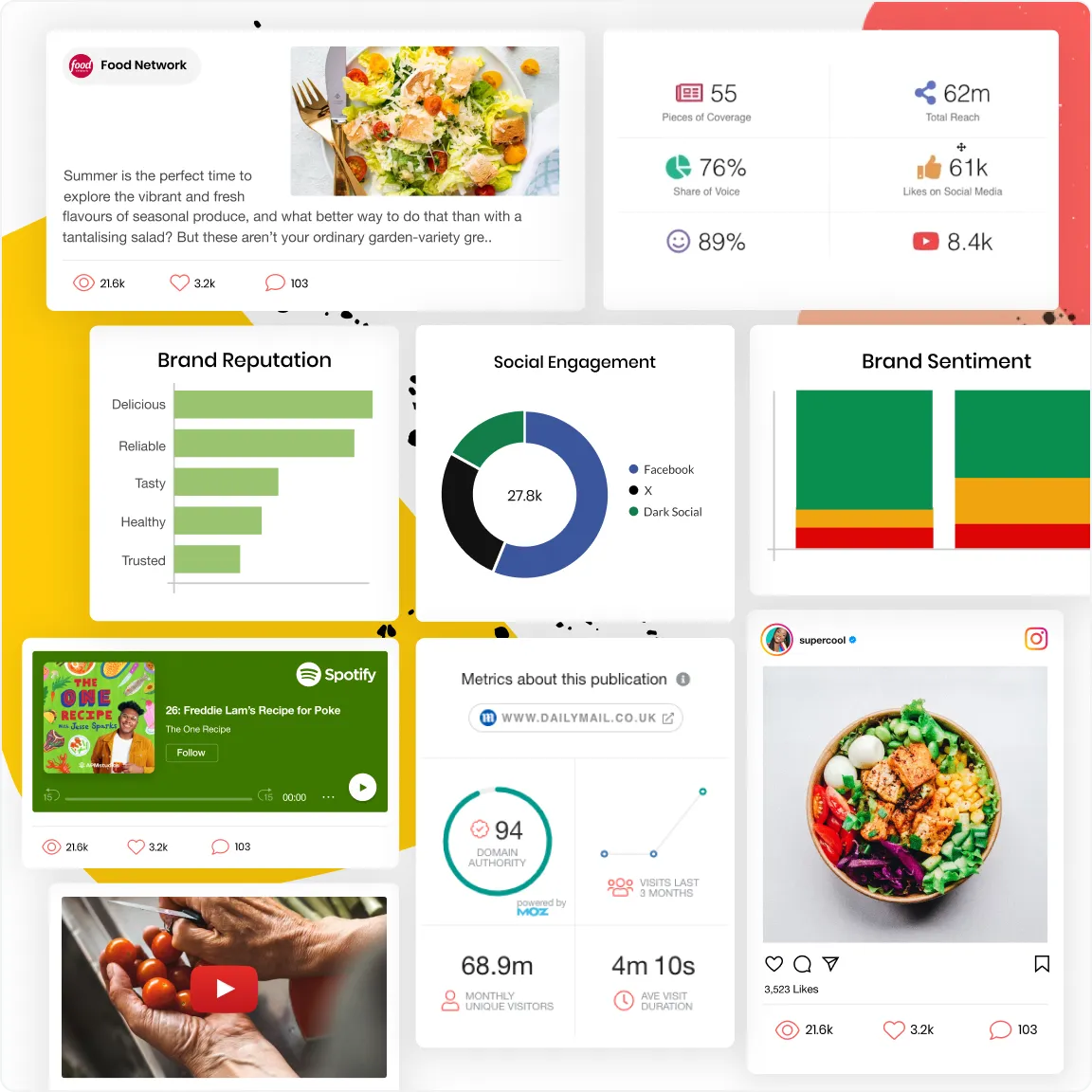
Equip your product with LLM-driven coverage analysis, sentiment tracking, and auto-generated reports.
Cut manual work, speed up decision-making, and deliver insights your users can act on immediately.
Add an AI assistant that handles common questions, guides users through workflows, and automates routine support tasks. Support stays lean while users still get fast, consistent answers around the clock.
Leverage AI models to forecast campaign performance, identify opportunities across your channels, and detect risks early. Your product delivers insights that let teams adjust campaigns before performance drops.
Use AI to analyze engagement patterns and recommend content that resonates with each audience segment. More relevance, better reach, and stronger results with every campaign.
Automatically group users by behavior, intent, and interaction history with AI-driven segmentation. Launch personalized campaigns with less manual work, faster, and with better ROI.
Integrate AI tools that produce short videos, visual assets, and social creatives in minutes. Reduce production costs, accelerate campaign development, and support rapid experimentation.
AI can help your MarTech product turn large volumes of marketing data into faster, clearer action. It can forecast campaign performance, summarize reports, segment audiences, recommend content, flag unusual changes in metrics, or guide users through workflows with an AI assistant.
We start by defining where AI can bring practical value in your case. It can be faster reporting, better personalization, less manual work, or more accurate campaign decisions — everything depends on your specific processes. Then we check your data, product logic, and user flows to shape a feature that fits the platform and supports measurable outcomes, instead of adding AI just for the sake of it.
Reliable AI output starts with the data behind the feature. For MarTech products, this means checking whether campaign data, audience attributes, engagement metrics, and reporting inputs are complete, consistent, and structured well enough for the intended use case.
We also define clear success criteria before implementation. The requirements for a forecasting feature differ from those for automated reporting, audience segmentation, or a content recommendation engine.
Before launch, we test the feature against real scenarios and compare the results with expected outcomes. After release, we monitor performance and refine the logic as more usage data becomes available. This helps keep AI features useful, predictable, and aligned with the decisions your users need to make.
Head of delivery

200+ projects delivered, including 11 MarTech platforms. We’ve seen enough edge cases to guide you through without stalls.
$15,000 to $50,000
Minimize risks and build a small-scale prototype
$50,000 to $100,000
Launch your MarTech product with minimal initial investments
$100,000 to $500,000
Launch a monetization-ready application
$500,000+
Prepare to beat your MarTech competitors right away
The biggest cost drivers of MarTech development services are integrations, data volume, reporting logic, AI features, security requirements, and the number of platforms you want to support. A basic MVP with a few dashboards and integrations costs less than a product that processes data from multiple channels, builds custom reports, and adds AI-powered insights.
During discovery, we define what should go into the first release and what can wait. This helps keep the estimate realistic and prevents the budget from going into features your users do not need yet.
We start with the product idea, user roles, data sources, integrations, and the workflows your platform should support. Then we break MarTech development services scope into stages and estimate the team, timeline, and budget needed for each one.
Our experience with MarTech platforms helps us make these estimates realistic from the start. We have worked with different integration scenarios, API limitations, sync rules, reporting logic, and data quality challenges, so we understand the effort behind each feature and can identify potential risks early. This allows us to keep CPI and SPI variance within 10%.
First, scope control: in discovery, we cut the first version down to what it truly needs and put the rest in a backlog you can prioritize later.
Second, pre-built components: React libraries cover much of the standard UI.
And the last option is AI-assisted development. For example, we use it to streamline API research, create documentation faster, and automate some routine coding tasks — senior engineers are still the ones who review and validate every AI output. This approach frees engineers for high-value tasks around architecture, business logic, and data flows.
We build MarTech products that early-stage teams can grow with. One client raised $3.8M in seed funding, another gained 1.5K users post-beta and was later acquired. We shape the right foundation early, so your product is investor-ready and built to scale without rewrites.
We offer development support for MarTech companies entering a scaling phase. From building functionality to speed up campaign launches by 4× to helping turn an internal agency tool into a standalone SaaS offering, we helped our clients with diverse goals.
Whether you need to expand features, improve performance, or enhance system capacity, we’re ready to support while keeping delivery fast and aligned with your next milestones.