AI solutions
What we do
Services
Experts in
How we work


Fortune #40 Global Health Leader
1886-founded | 131K employees | $16B in R&D

NYSE: EB
850k creators | 300M tickets sold in 2023

8th GPS App in the US
3M+ in 2023 | 10M+ Google Play downloads

Cultural Exchange Led by 2K+ Team
Est. 1980 | 500K+ Alumni | 100+ Countries

$12M Revenue Tech Co.
MBE Certified by NMSDC

Trusted Logistics Co. Since 1979
ISO9001 Certified Systems Integrator

3rd in Retail Inc. 5000
$6M+ raised | #1 ranked company in CT

UCSF-Trusted Health App
with 50K+ users in 60+ countries

Google-Funded Green Tech
144K Ha Monitored | Featured by Reuters

Telecom Experts Est. 2005
Google, Proximus & Orange partners

NASA-Trusted Workflows Builder
Est. in 2007 | PCI, GDPR & HIPAA certified
Top Swiss Agency
Awarded #1 Swiss App in 2025
#2 SMM Agency in Australia
Serves 1k+ Australian B2B across 20+ domains

Google Cloud Partner
Trusted by Fortune 5 UHG

F&B Startup with 25K+ Guests/Y
4.5 on TripAdvisor | 600+ Dining Partners
Fortune #40 Global Health Leader
1886-founded | 131K employees | $16B in R&D
NYSE: EB
850k creators | 300M tickets sold in 2023
8th GPS App in the US
3M+ in 2023 | 10M+ Google Play downloads
Cultural Exchange Led by 2K+ Team
Est. 1980 | 500K+ Alumni | 100+ Countries
$12M Revenue Tech Co.
MBE Certified by NMSDC
Trusted Logistics Co. Since 1979
ISO9001 Certified Systems Integrator
F&B Startup with 25K+ Guests/Y
4.5 on TripAdvisor | 600+ Dining Partners
Google Cloud Partner
Trusted by Fortune 5 UHG
#2 SMM Agency in Australia
Serves 1k+ Australian B2B across 20+ domains
Top Swiss Agency
Awarded #1 Swiss App in 2025
NASA-Trusted Workflows Builder
Est. in 2007 | PCI, GDPR & HIPAA certified
Telecom Experts Est. 2005
Google, Proximus & Orange partners
Google-Funded Green Tech
144K Ha Monitored | Featured by Reuters
UCSF-Trusted Health App
with 50K+ users in 60+ countries
3rd in Retail Inc. 5000
$6M+ raised | #1 ranked company in CT
Trusted Logistics Co. Since 1979
ISO9001 Certified Systems Integrator
$12M Revenue Tech Co.
MBE Certified by NMSDC
Cultural Exchange Led by 2K+ Team
Est. 1980 | 500K+ Alumni | 100+ Countries
8th GPS App in the US
3M+ in 2023 | 10M+ Google Play downloads
NYSE: EB
850k creators | 300M tickets sold in 2023
Fortune #40 Global Health Leader
1886-founded | 131K employees | $16B in R&D
F&B Startup with 25K+ Guests/Y
4.5 on TripAdvisor | 600+ Dining Partners
Google Cloud Partner
Trusted by Fortune 5 UHG
#2 SMM Agency in Australia
Serves 1k+ Australian B2B across 20+ domains
Top Swiss Agency
Awarded #1 Swiss App in 2025
NASA-Trusted Workflows Builder
Est. in 2007 | PCI, GDPR & HIPAA certified
Telecom Experts Est. 2005
Google, Proximus & Orange partners
Our timelines stay steady because the work is clear from the beginning. We estimate effort realistically, track progress every week, and if anything changes, we tell about it right away, when it’s not too late to react.
We track earned value, burn rate, and planned vs actual work to show how efficiently the budget is used.
Every week, you get a short budget report with completed, in-progress, and upcoming tasks.
Every month, we update a financial log with the total time spent, so you always see the full picture.
You get one team to handle the entire product lifecycle, from discovery and design to development, release, and post-launch improvements. We’ll help you shape the vision, guide technical choices, and implement it end-to-end.
We bring patterns and lessons from 25+ SaaS products we’ve delivered. From designing architecture to picking an API, defining data flows, and shaping feature details, our team will explain the options, trade-offs, and best paths forward.
The code, the project boards, the documentation — everything stays accessible to you. We keep information up to date, plus have regular syncs and a clear communication routine. You’ll always know what’s done and what’s next.
We build software with the bigger picture in mind: user experience, retention, unit economics, all of it. Providing SaaS development services for us is not just shipping code, but also helping your SaaS grow and hit its goals.
We help invest where it pays off and streamline where a simplified feature can save up to 3 weeks with no loss in quality.
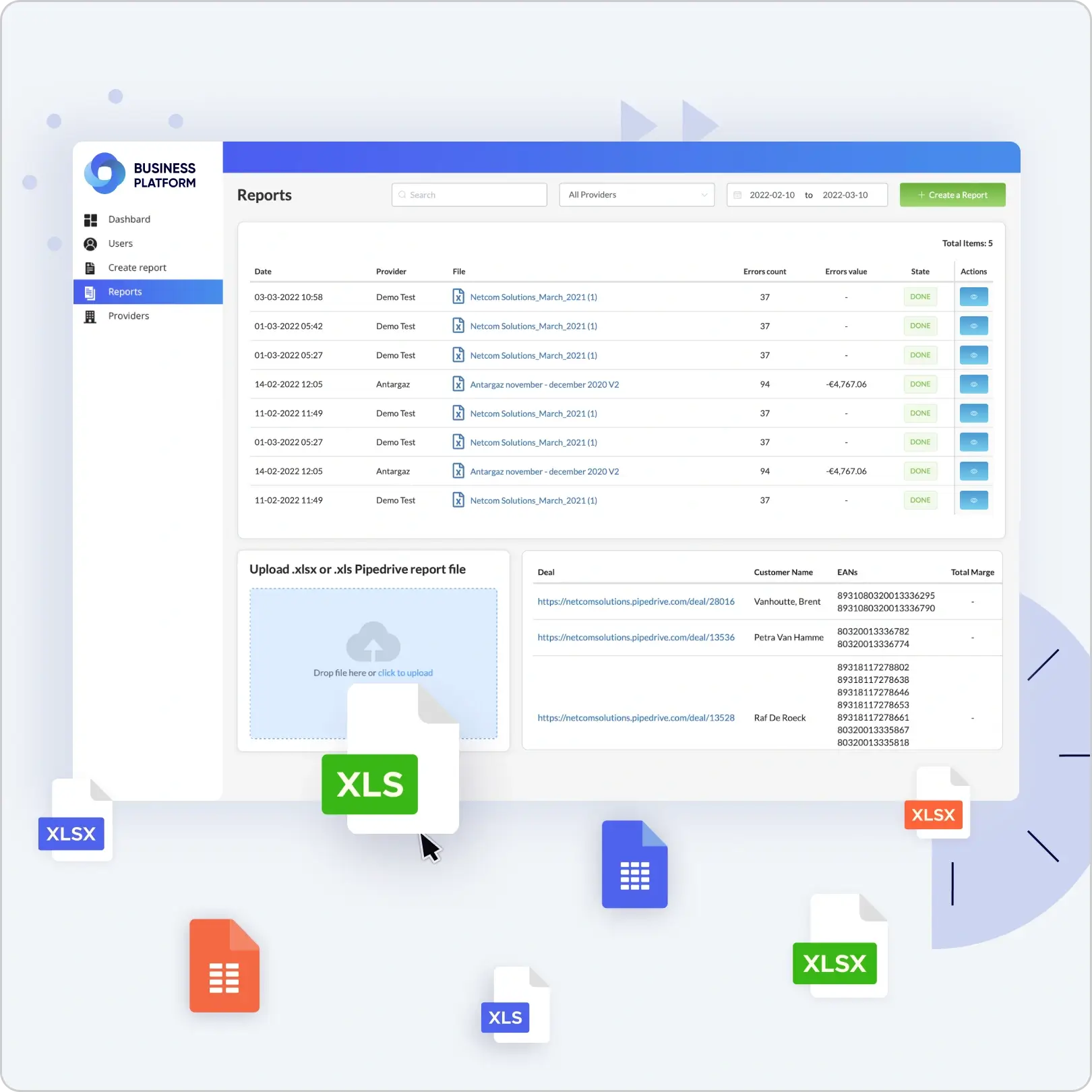
We deliver functionality that lets clients safely manage data, accounts, and more without involving dev resources every time.
We’ve planned SaaS products that stay stable even with 3x more functionality and users.
There’s always more than one way to build a feature. We help to map out the exact logic that works for your case.
We have helped our clients to spot inconsistencies in product ideas early and avoid $30K+ spending on mid-project reworks.
We know how to save up to 4 weeks of interface creation without compromising on UI/UX uniqueness.
Our SaaS products pass external audits with zero critical issues, thanks to strict guidelines for code writing.
We’ve worked with 100+ APIs and know their capabilities, limitations, and edge cases.
We’ve built SaaS across multiple industries, from martech to real estate and healthtech. Your project won’t be built by trial and error.

Over 10 years of delivering SaaS products gives us a base of tested approaches for architecture, billing, AI, and more. New projects benefit from everything we’ve already validated in real systems.
Over 10 years of delivering SaaS products gives us a base of tested approaches for architecture, billing, AI, and more. New projects benefit from everything we’ve already validated in real systems.
Over 10 years of delivering SaaS products gives us a base of tested approaches for architecture, billing, AI, and more. New projects benefit from everything we’ve already validated in real systems.
Over 10 years of delivering SaaS products gives us a base of tested approaches for architecture, billing, AI, and more. New projects benefit from everything we’ve already validated in real systems.
Over 10 years of delivering SaaS products gives us a base of tested approaches for architecture, billing, AI, and more. New projects benefit from everything we’ve already validated in real systems.
Over 10 years of delivering SaaS products gives us a base of tested approaches for architecture, billing, AI, and more. New projects benefit from everything we’ve already validated in real systems.
Over 10 years of delivering SaaS products gives us a base of tested approaches for architecture, billing, AI, and more. New projects benefit from everything we’ve already validated in real systems.
Over 10 years of delivering SaaS products gives us a base of tested approaches for architecture, billing, AI, and more. New projects benefit from everything we’ve already validated in real systems.
AI for SaaS without lab-level budgets. We deliver AI features that improve workflows and user experience in months, not years.
Discover our AI services
Recommendation engines so your SaaS easily guides users to what they need: a product, service, or person.
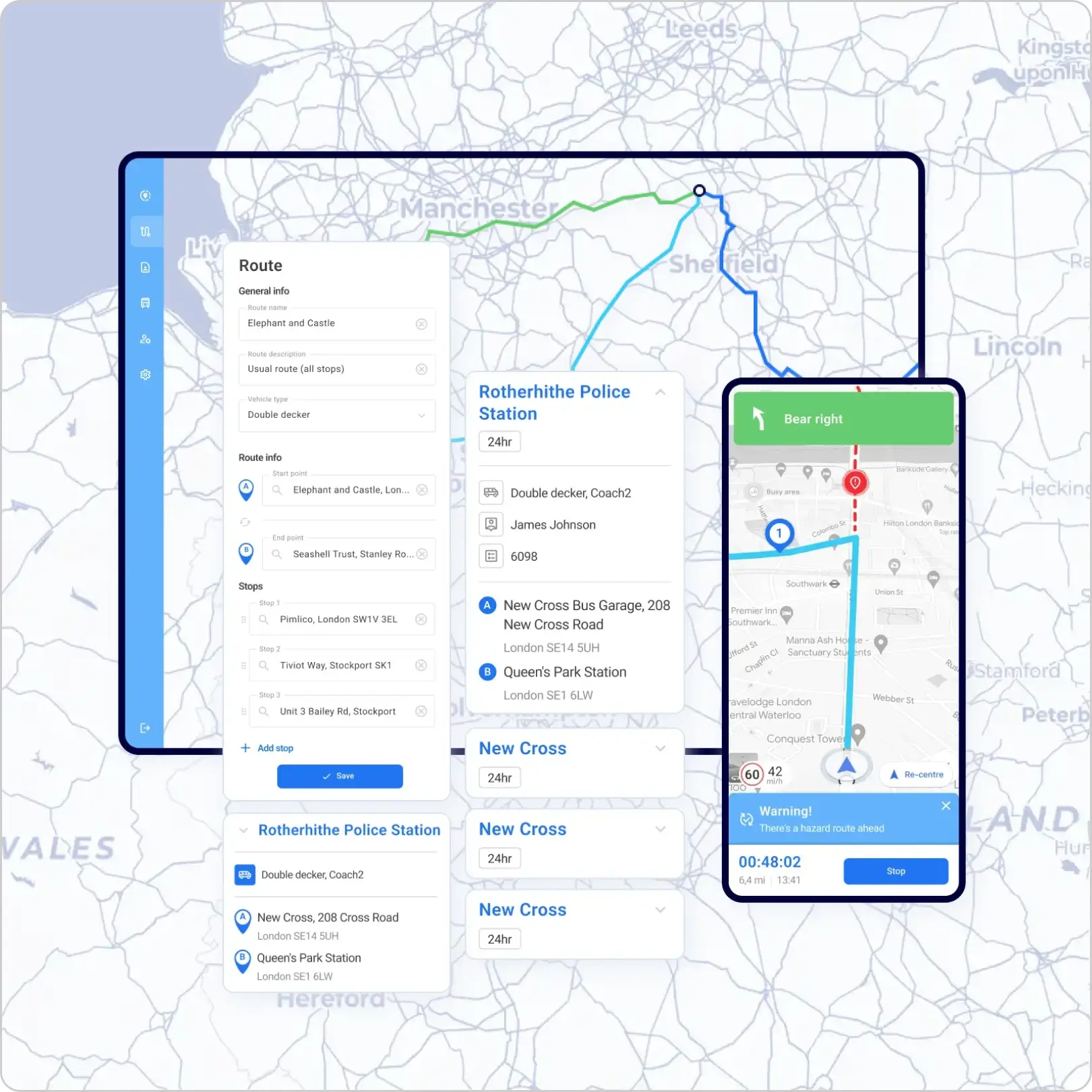
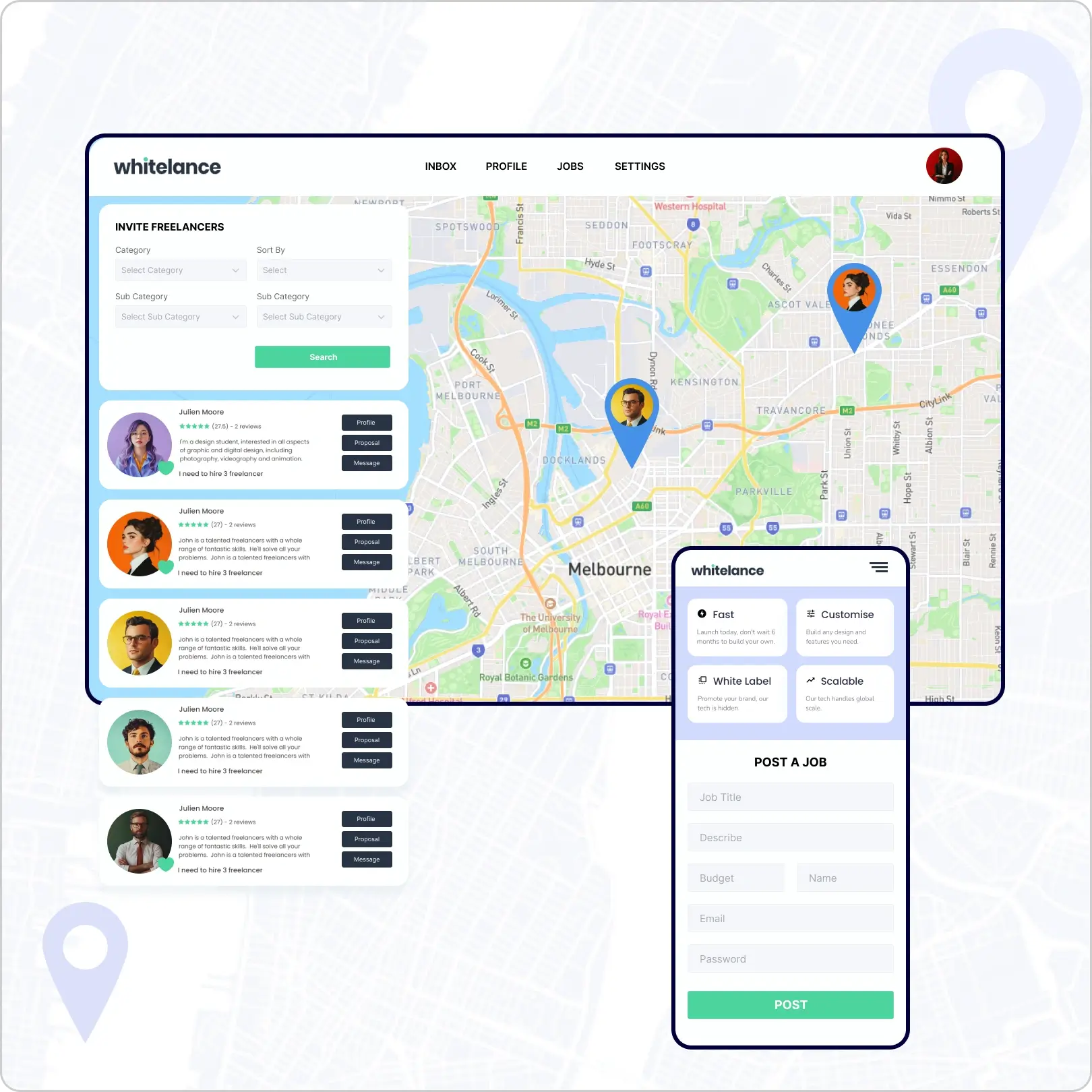
Custom maps, routing, or logic for distance-based offers. We create features that boost operations and user satisfaction.
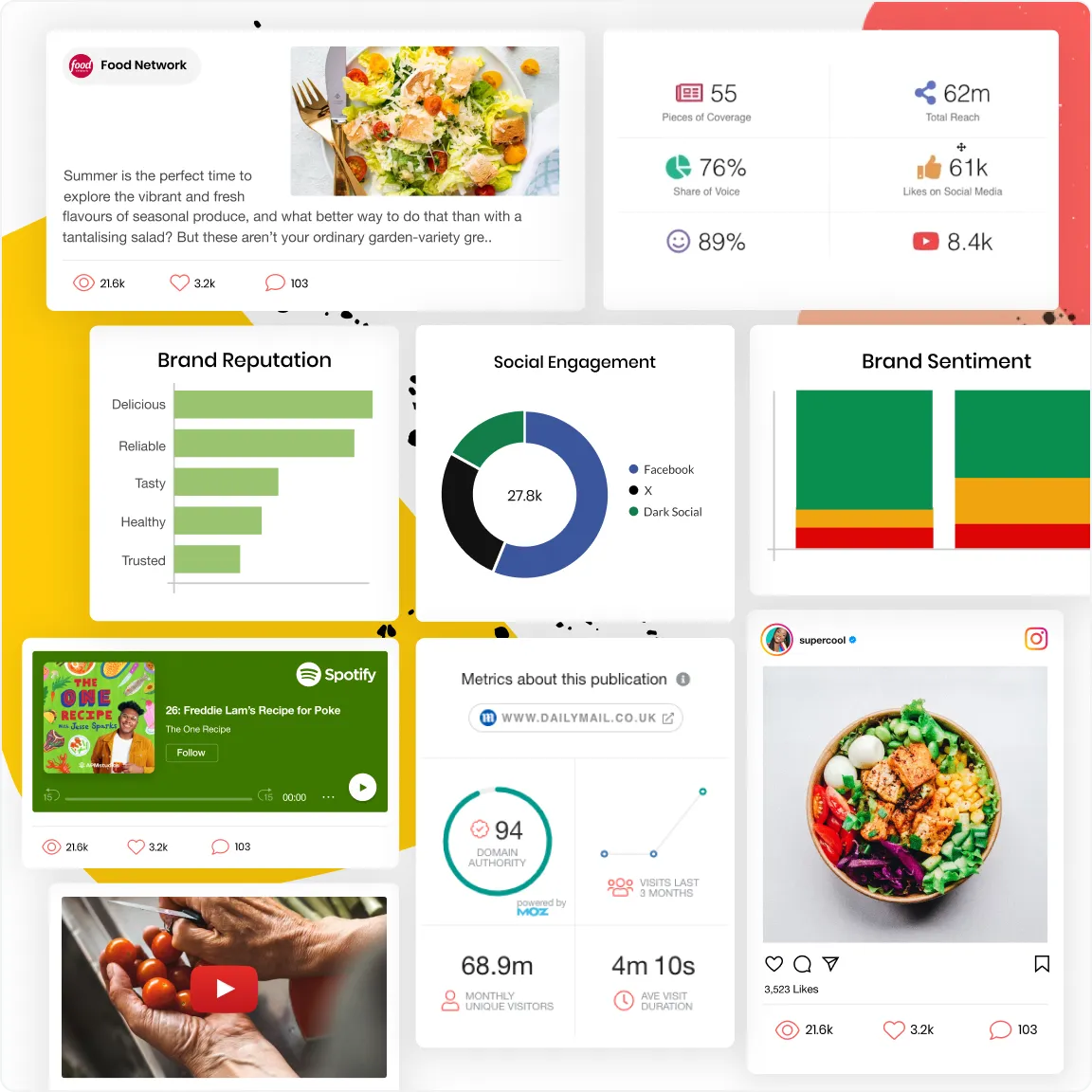
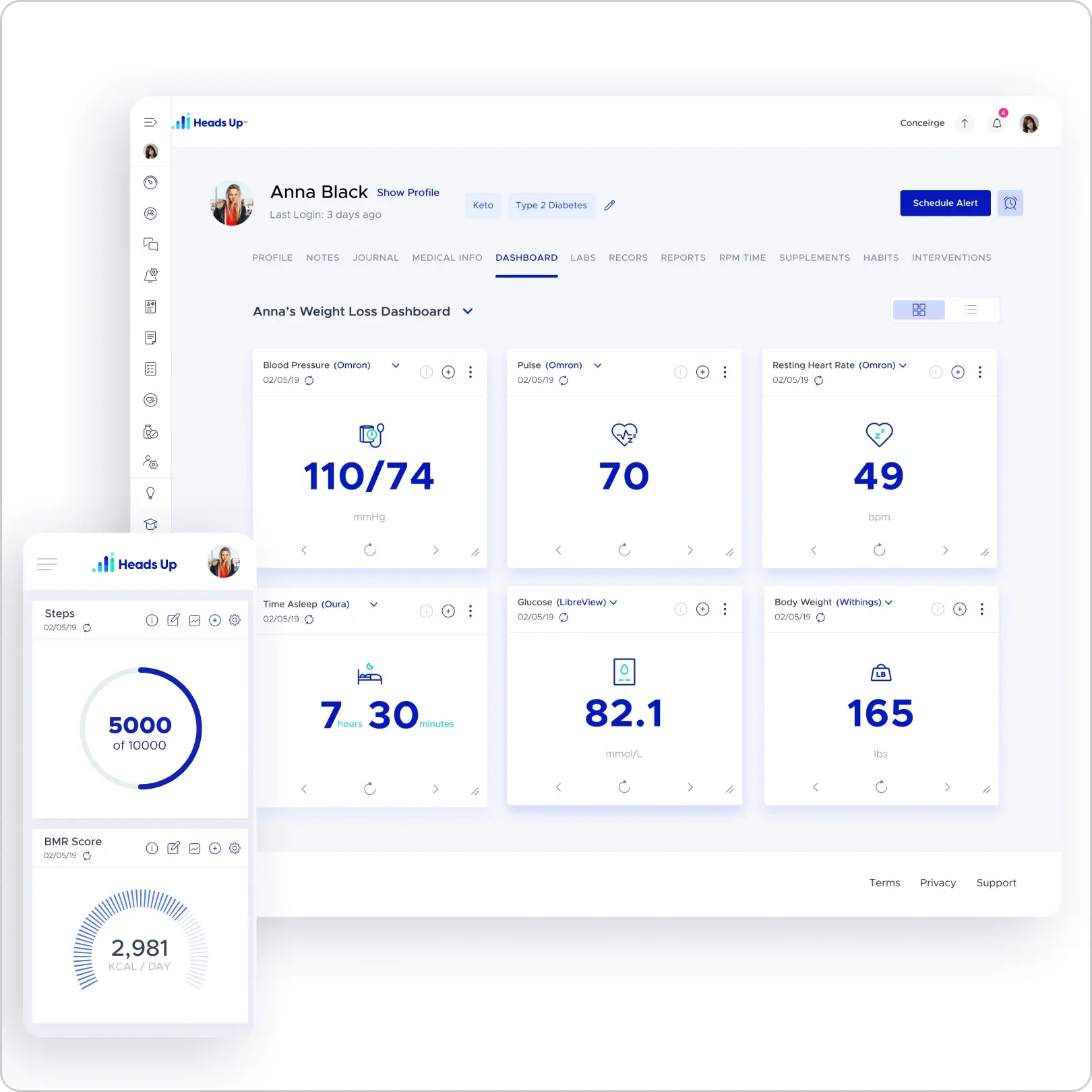
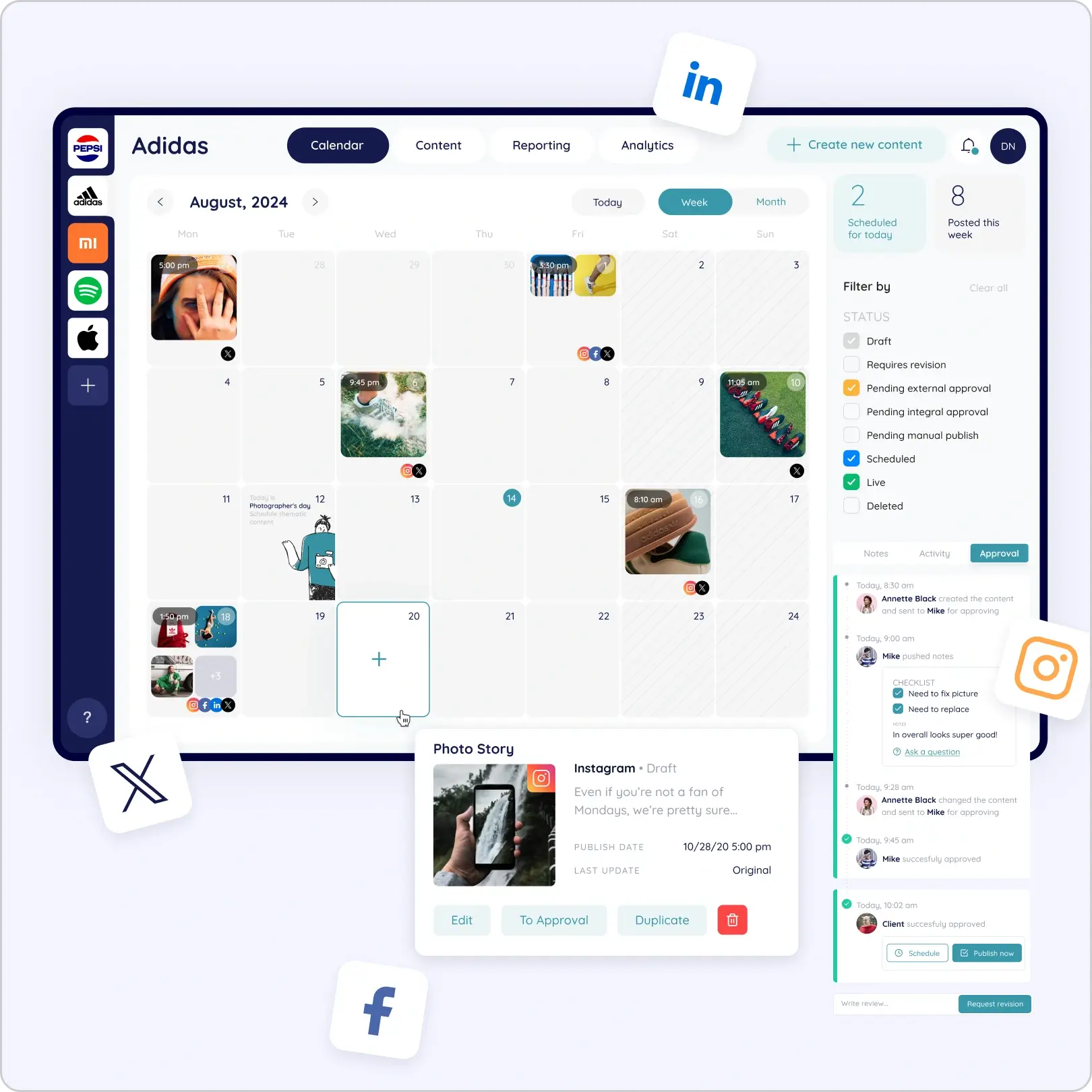
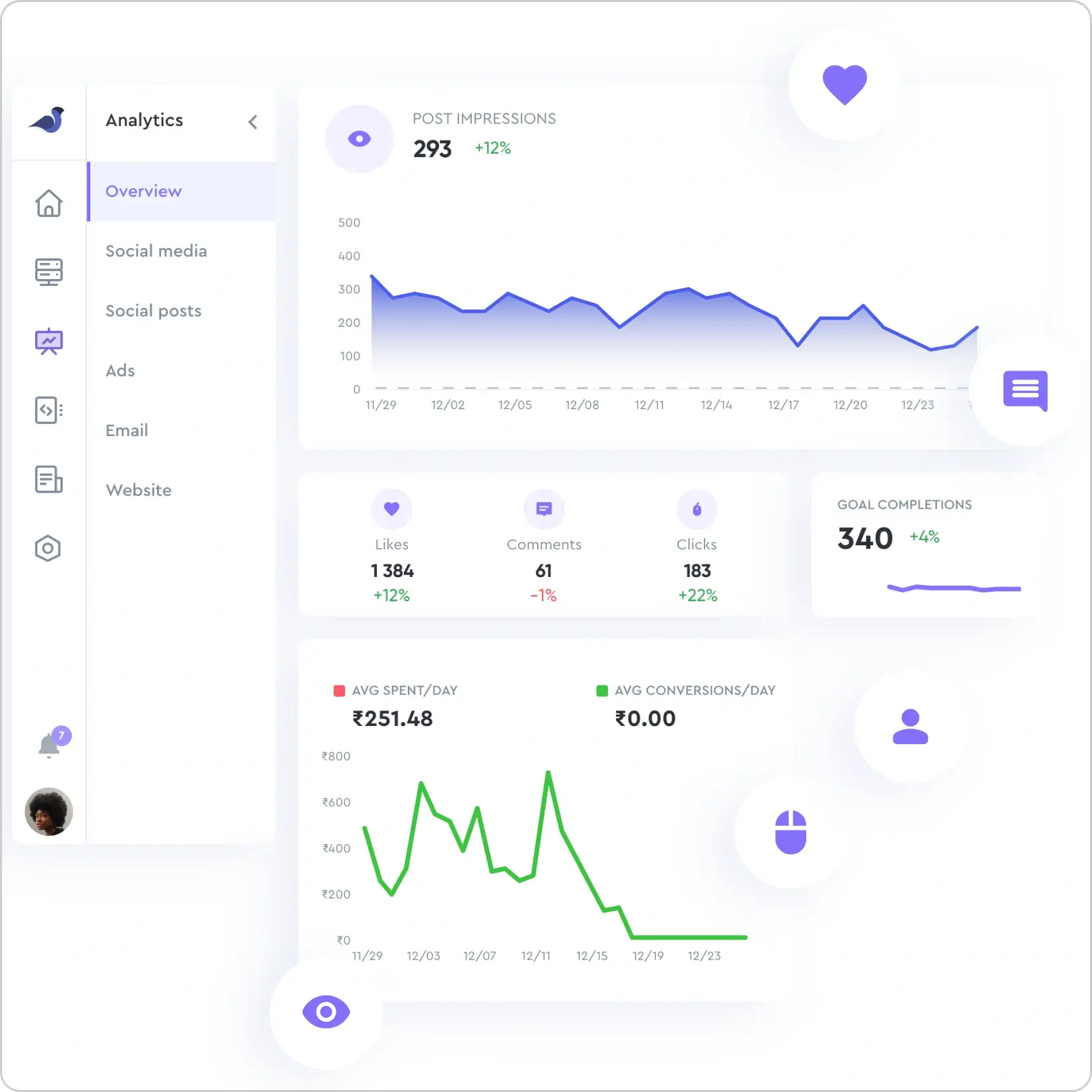
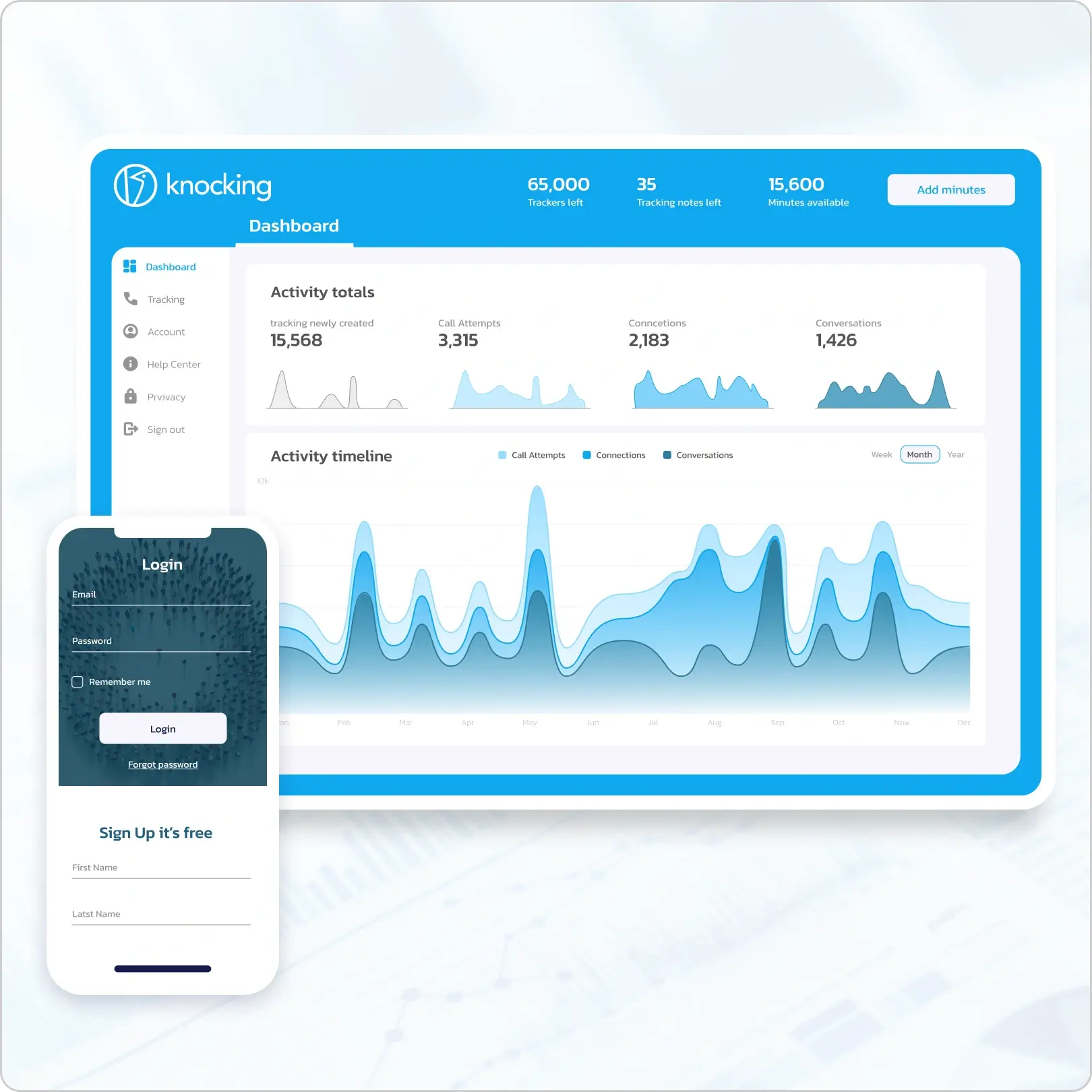
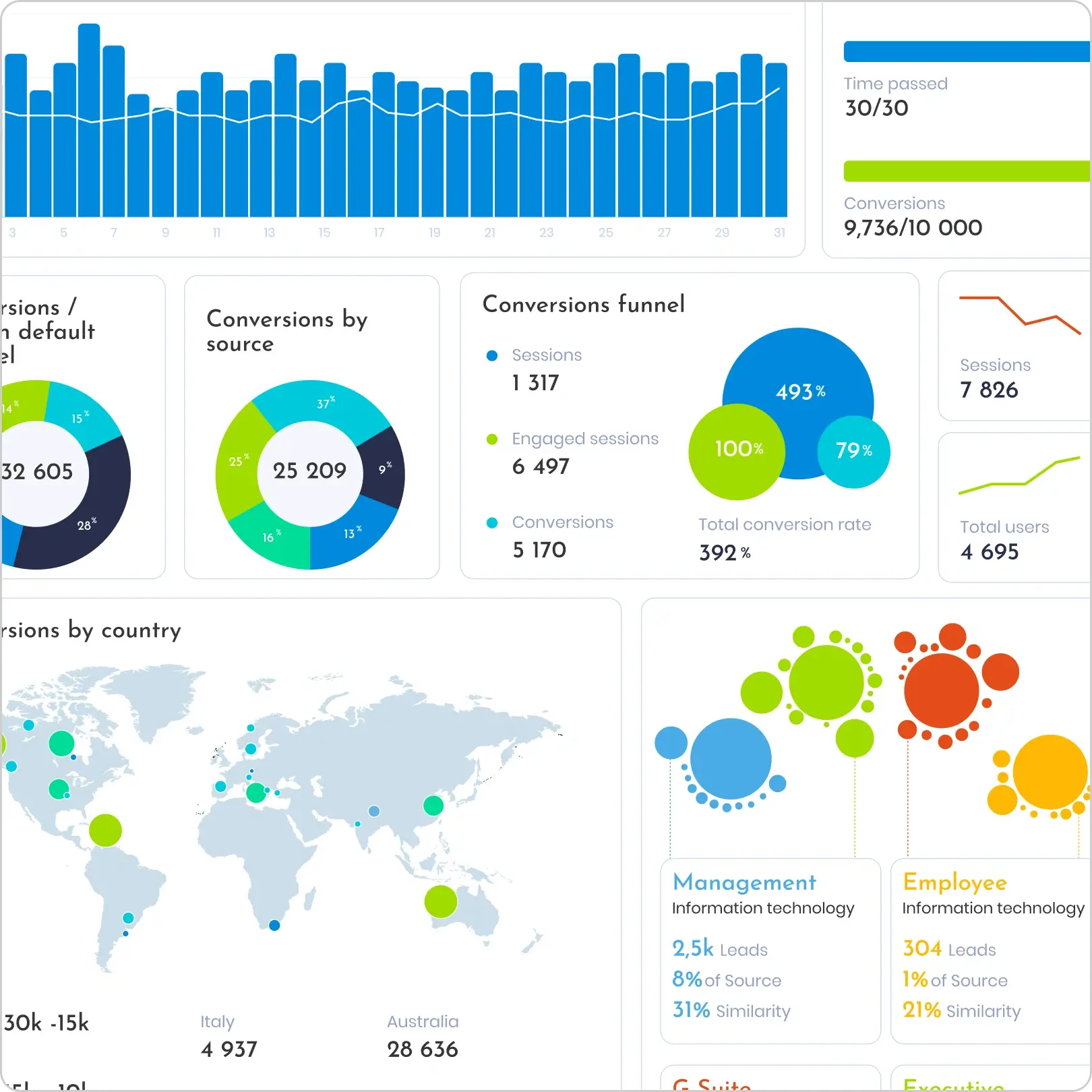
Interactive dashboards, report constructors, and data visualizations — we did it all, for healthtech, marketing, and more.
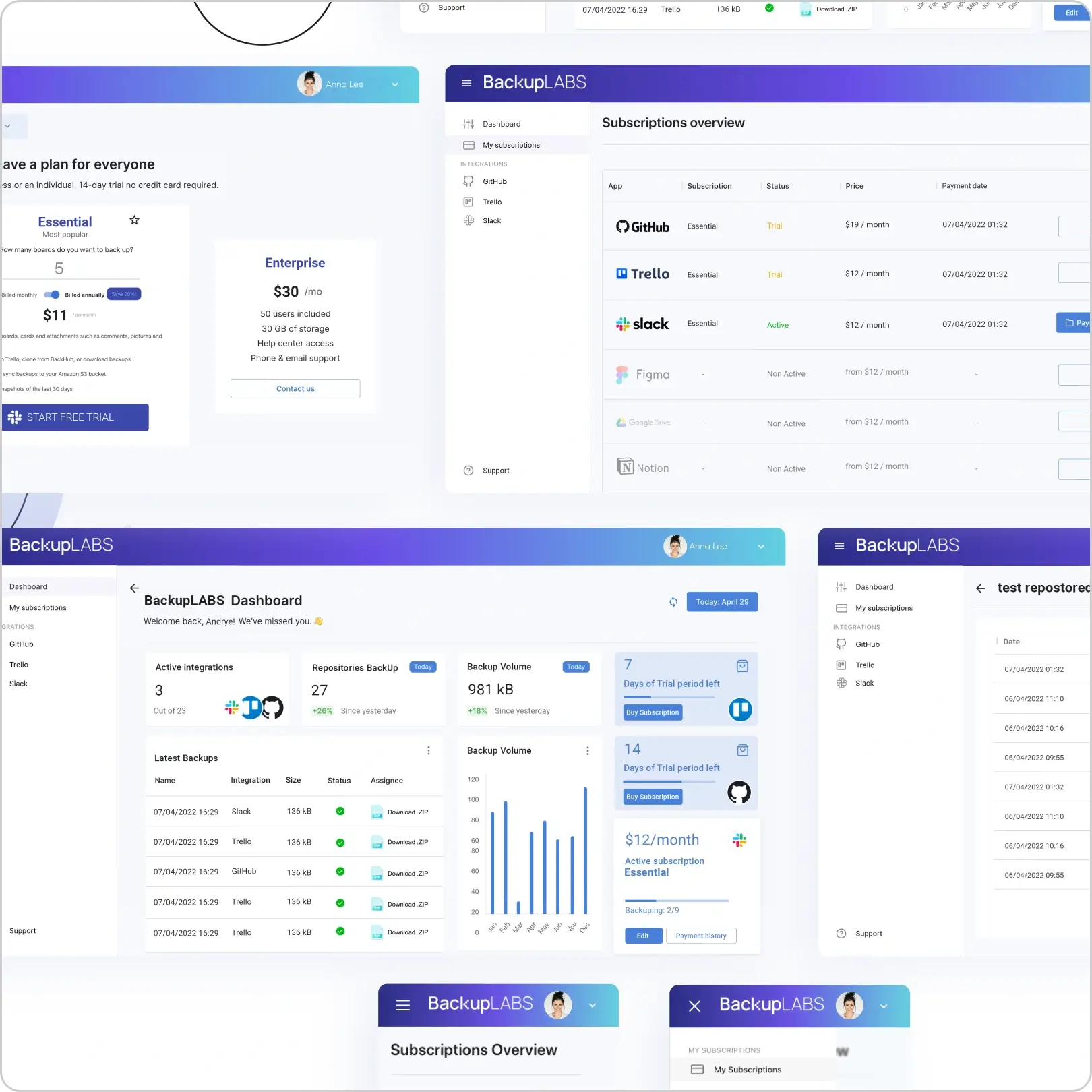
Billing flows that support your business model, from flexible plans and net-30 terms to trials and refund logic.
Stripe, HubSpot, custom internal tools, and local systems — connect your SaaS with anything your users need.
Architecture built for growth: one app, multiple tenants, clean data separation, and effortless scaling.
Clear permission logic for admins, users, teams, or entire companies, so every user sees exactly what they should.
Head of delivery

By tracking CPI & SPI, we keep projects within 10% variance, so development progress aligns with your SaaS launch plan.
Replace static filters with adaptive recommendations so users can find what they need more easily and quickly.
Make your product a must-have decision tool. Let users uncover patterns and generate forecasts based on their historical data.
Reduce support load with AI that learns from every interaction and automates repetitive tasks in customer support.
Turn recurring steps on your SaaS platform into smart, self-running processes that keep operations fast and UX smooth.
Stay ahead of competitors by spotting user needs faster. AI analyzes feedback at scale and guides you to improvements users want.
Let users create listings, product copy, and other text automatically, helping teams publish faster and stay consistent.











Here’s how we bring your product to life:
Think of this as the blueprint stage. We analyze your business goals, user needs, and specific requirements to shape the SaaS vision. At this stage, we define priorities, document functionality, and assess risks such as integrations, compliance, or scalability.
This way, we align expectations, avoid costly missteps, and build with a clear, shared roadmap. This process is one of the reasons why our SaaS app development services consistently hit a 99.89% work acceptance rate.
We create SaaS designs that work for different user roles, workflows, and business contexts, always keeping usability at the center. Drawing on experience from 25+ SaaS products, we can recommend design patterns that fit each function while making user journeys clear and accessible.
We keep the process fully transparent: designs are shared with you as they’re created, so you can be sure they align with your vision. Plus, we build prototypes to validate flows before development.
This is where the magic happens — your designs transform into a fully functioning SaaS product. We write clean code that’s built to handle today’s challenges and tomorrow’s growth. No missing pieces, no do-overs — just a product that works seamlessly.
Our SaaS development services are based on transparency, so you’re always clear on what’s happening and where we’re headed. We stay laser-focused on delivering on time and within budget. With a <10% variance on CPI & SPI, you can trust us to manage your resources efficiently and avoid costly surprises. This stage is all about turning your vision into something real and reliable, built to stand the test of time. You bring the idea — we’ll handle the rest.
A testing strategy is always tailored to the project. We focus testing activities on what matters based on quality standards and your app’s specifics, avoiding activities that only consume time and budget. This way, our SaaS development company covers everything to make sure features and integrations meet requirements and work well, but without unnecessary overhead.
Deployment time will be aligned with your plans, so the release doesn’t disrupt any processes. We manage the full deployment process, including server setup, CI/CD pipelines, database migrations, and performance checks. Our SaaS application development company is basically your backstage crew, making sure your SaaS is stable, secure, and scalable from the start.
With our SaaS development services, we can act as a long-term partner, helping your product grow. Whether it’s reducing churn, increasing recurring revenue, or preparing for the next milestone, we support your goals every step of the way.
If you prefer to manage the product in-house later, we provide structured handovers with documentation and Q&A sessions, ensuring you avoid vendor lock-in.
$15,000 to $50,000
Refine your SaaS idea and test with a prototype
$50,000 to $100,000
Start testing your SaaS platform with minimal initial investment
$100,000 to $500,000
Launch a monetization-ready SaaS application
$500,000+
Build a SaaS platform designed to dominate the market
25+
SaaS products built
<10%
CPI & SPI variance
99.89%
acceptance rate
3.8 years
average retention
2014
building apps since
Solution architect

We stress-test every release and design for redundancy, having a track record of SaaS products that run with 99.99% uptime.
The SaaS market is growing rapidly and remains one of the largest segments of the software industry. In 2025, global SaaS revenue is projected at around $408 billion and expected to grow steadily, with forecasts showing it could exceed $1.25 trillion by 2034 at a roughly 13% compound annual growth rate - Precedence Research
This growth reflects widespread enterprise adoption: by 2025, most business applications are expected to be SaaS-based, with SaaS powering the majority of digital tools used in operations. The model’s subscription structure also provides predictable recurring revenue.
So, entering the SaaS market offers a strategic advantage in both adoption trends and revenue potential compared to many older software delivery models.
One of the main challenges in SaaS development is building an architecture that can scale reliably as the number of users and data grows. Decisions made early around multi-tenancy, data isolation, and infrastructure often determine whether a product can scale efficiently or requires costly rework later.
Another common challenge is balancing speed of delivery with long-term maintainability. SaaS products need to evolve continuously, but rushing features without a solid foundation can lead to technical debt that slows development over time.
Finally, SaaS development services are not a one-time effort. Ongoing monitoring, updates, and post-launch improvements are required to meet user expectations and remain competitive.
SaaS application development services typically cover the full lifecycle of building and operating a cloud-based product.
It starts with product discovery and technical planning, where business goals, target users, and system architecture are defined. This is followed by UX/UI design and core application development, including both the user-facing interface and backend logic. A critical part of this stage is cloud infrastructure setup, which includes hosting, databases, scalability, and deployment pipelines.
After launch, SaaS development continues with monitoring, performance optimization, feature updates, and ongoing maintenance.
The main difference between hiring a SaaS application development company and building an in-house team lies in speed, flexibility, and cost structure.
In-house development offers full internal control and deep domain immersion, which can be beneficial for long-term, highly specialized products. However, it also comes with ongoing costs related to salaries, infrastructure, retention, and management, regardless of workload.
A SaaS app development company, on the other hand, provides access to proven processes, diverse expertise, and scalable resources without the same long-term overhead. In practice, many companies choose outsourcing for initial product development or acceleration, while building in-house capabilities gradually as the product and business mature.
The time required for SaaS application development solutions depends on the product scope, complexity, and stage of maturity.
A basic MVP with core functionality can typically take 3–6 months to design, build, and launch. More feature-rich SaaS products, including integrations, advanced user management, and scalability requirements, often take 6–9 months or longer.
Factors such as custom UI/UX design, security and compliance needs, and third-party integrations can significantly affect timelines.
AI development can help SaaS products achieve business goals by automating repetitive tasks and improving decision-making based on real data. Machine learning models can analyze user behavior to personalize features, recommendations, and onboarding, which often leads to higher engagement and retention. AI is also widely used to optimize pricing, predict churn, and identify usage patterns that are difficult to detect manually.
From an operational perspective, AI can reduce costs by automating support, monitoring system performance, and detecting anomalies before they affect users. When implemented correctly, AI becomes a growth lever that supports long-term competitiveness rather than just an experimental feature.
Strong SaaS development starts with a scalable and flexible architecture that can grow with the product and user base. Designing for multi-tenancy, security, and performance early helps avoid costly rework as the system scales.
Another key best practice is building and releasing incrementally, allowing teams to validate features quickly and adapt based on real user feedback.
Reliable SaaS products also rely on automation, including CI/CD pipelines, testing, and monitoring, to ensure stability and fast iteration. Finally, a successful SaaS software development company focuses on long-term maintainability, keeping technical debt under control so the product can evolve without slowing down development.
Ensuring product quality after launch requires a shift from one-time testing to continuous monitoring and improvement. SaaS teams typically rely on automated testing, logging, and real-time monitoring to detect issues early and prevent regressions.
Tracking performance metrics, error rates, and uptime also contributes to a stable and reliable user experience. Finally, user feedback and usage analytics help to identify quality issues that may not appear in test environments.
Avoiding vendor lock-in starts with clear ownership of source code, infrastructure, and documentation. Using standard technologies, open-source tools, and cloud-agnostic architecture makes it easier to change vendors or scale independently.
Clear handover processes, well-documented systems, access to repositories and infrastructure, and a modular system design with well-defined APIs also allow the product to evolve without being tied to a single vendor.
One of the biggest risks of outsourcing SaaS development is misalignment between business goals and technical execution, which can lead to wasted time and budget. This risk is mitigated by clear requirements, shared documentation, and regular communication throughout the project.
Another common challenge is loss of transparency, when progress and delivery quality are hard to assess without proper tracking. To address this, mature teams rely on structured project tracking, including monitoring CPI (Cost Performance Index) and SPI (Schedule Performance Index) metrics.
Choosing the right SaaS development company starts with evaluating relevant product experience. A strong partner should demonstrate understanding of SaaS architecture, scalability, security, and long-term product evolution. It is also important to assess how the team approaches discovery, planning, and risk management before development begins.
Beyond technical expertise, pay attention to communication, transparency, and project tracking practices. Teams that provide clear visibility into progress, costs, and delivery metrics are easier to work with over time. In practice, the right SaaS product development company is one that aligns with your business goals and can support the product beyond the initial launch.
Before signing a contract, it is important to understand whether the company has direct experience with SaaS products similar to yours. Also, ask how the team approaches product discovery and technical planning, and how they validate requirements before development starts.
It is critical to clarify who owns the source code, infrastructure, and intellectual property, and how access to repositories and environments is managed. You can also discuss the company’s approach to change management and scope adjustments to avoid conflicts when priorities evolve.
Finally, discuss post-launch responsibilities, such as maintenance, support, and future scaling, as well as how knowledge transfer and handover are handled if the collaboration ends.
We help you shape and prioritize your product idea into a clear roadmap, cutting time-to-market without losing the core value that sets you apart. From MVP to traction, you get a product built smartly, ready to validate, scale, or pitch.

We turn your domain expertise into a SaaS that opens new revenue streams. Your industry know-how becomes a working product: automated, scalable, and built to serve others like you, without slowing down your main business.

We help you build SaaS that extends your ecosystem: modernizing legacy tools, bringing new value to customers, or launching standalone products. Enterprise-grade architecture, ready for scale, security, and long-term ownership.