AI solutions
What we do
Services
Experts in
How we work




Use the data your platform already generates to create paid features such as premium analytics, benchmarking, forecasting, or decision-support tools. Open new revenue streams without requiring a separate product from scratch.
Use AI to analyze behavior and adapt the product experience to each user automatically. More relevant content, recommendations, and journeys improve engagement, retention, and long-term customer value.
Process live data streams and turn them into timely insights, alerts, and predictions. Help teams and users respond faster to operational changes, emerging risks, and new opportunities.
Use AI to evaluate large volumes of data and surface patterns, forecasts, and recommendations that support faster, more consistent decision-making across the business.
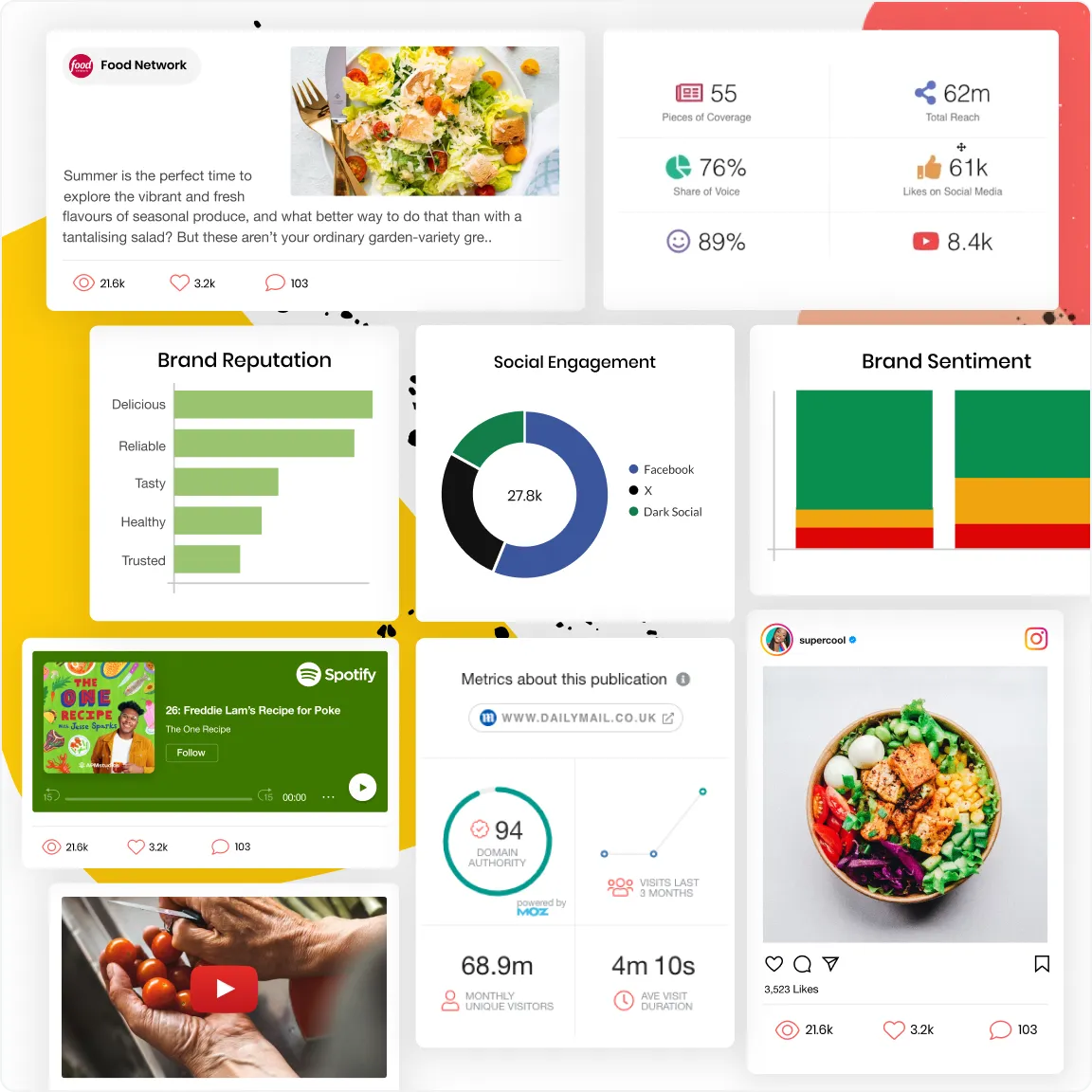
Automate data collection, analysis, and interpretation to reduce spreadsheet-heavy work. Teams spend less time compiling reports and more time acting on insights.
Connect data from systems like CRMs, ERPs, and internal tools to create one clear view of performance. AI helps unify signals across sources so teams can make better decisions with less effort.


Added AI-powered feature that turned slow, multi-step user onboarding into an automated flow, resulting in enhanced UX and strengthened retention.
3
weeks delivery
67%
faster onboarding
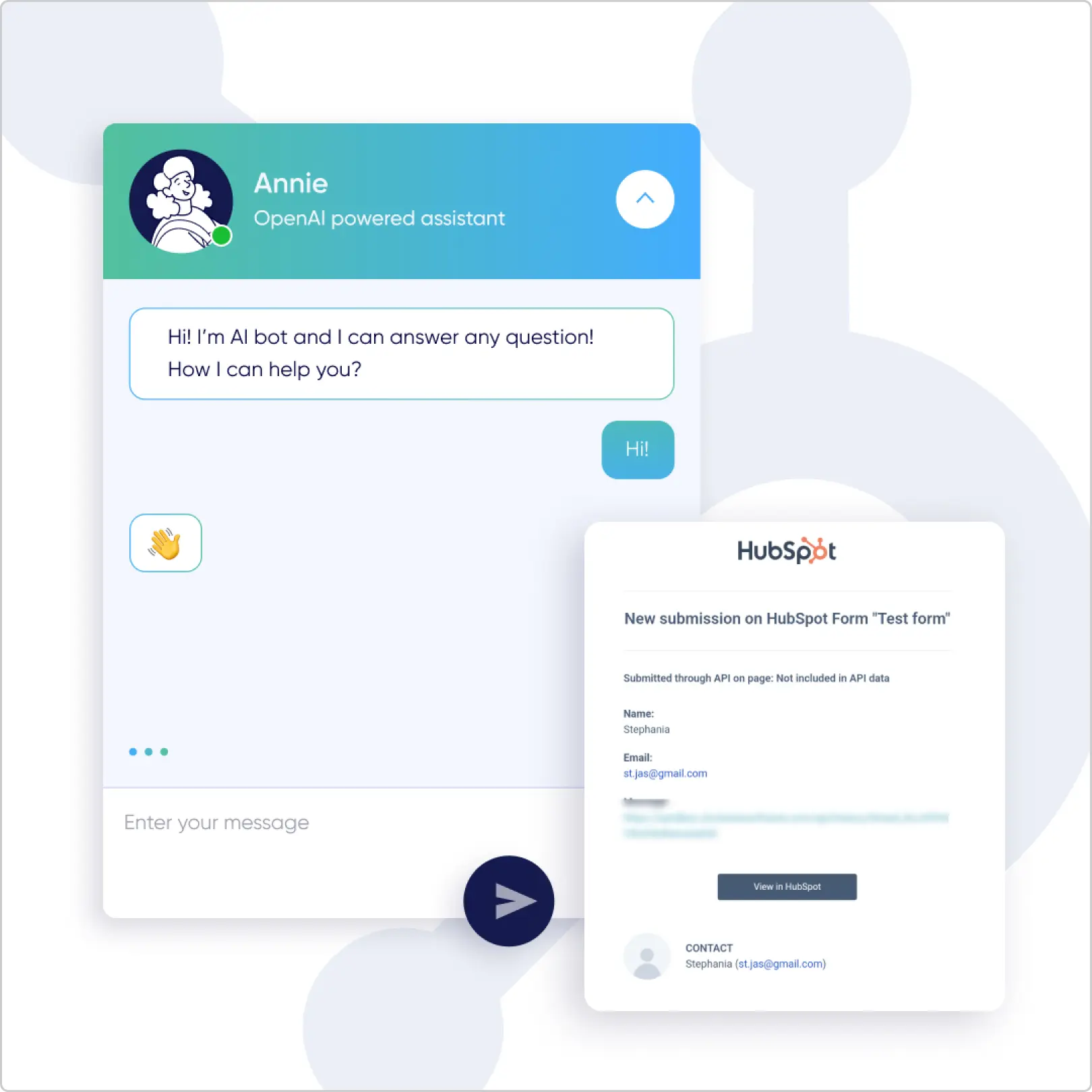
Added a GPT-4–powered assistant to the client's website to improve CRO and capture leads — fully integrated with HubSpot to streamline lead management.
1.5
months delivery
95%+
answer accuracy
500+
leads captured in 1 month
Over the last year, we delivered five AI-powered data solutions built for real products and operations. We turned raw data into practical, user-facing features like analytics, decision support, and monetizable insights.
Since 2014, we have delivered more than 200 projects for startups, SMBs, and enterprise clients. That experience helps us turn ideas and complex requirements into scalable software products, with predictable delivery, strong communication, and a 99.89% work acceptance rate.
We have more than a decade of experience building products that rely on large datasets, complex logic, and stable performance under load. That background helps us design AI-powered data solutions that stay reliable, scalable, and useful in production.
We have delivered more than 100 integrations across CRMs, ERPs, internal tools, and third-party services. This experience helps us connect AI features to the systems your business already uses, so data flows stay reliable and insights fit naturally into existing workflows.






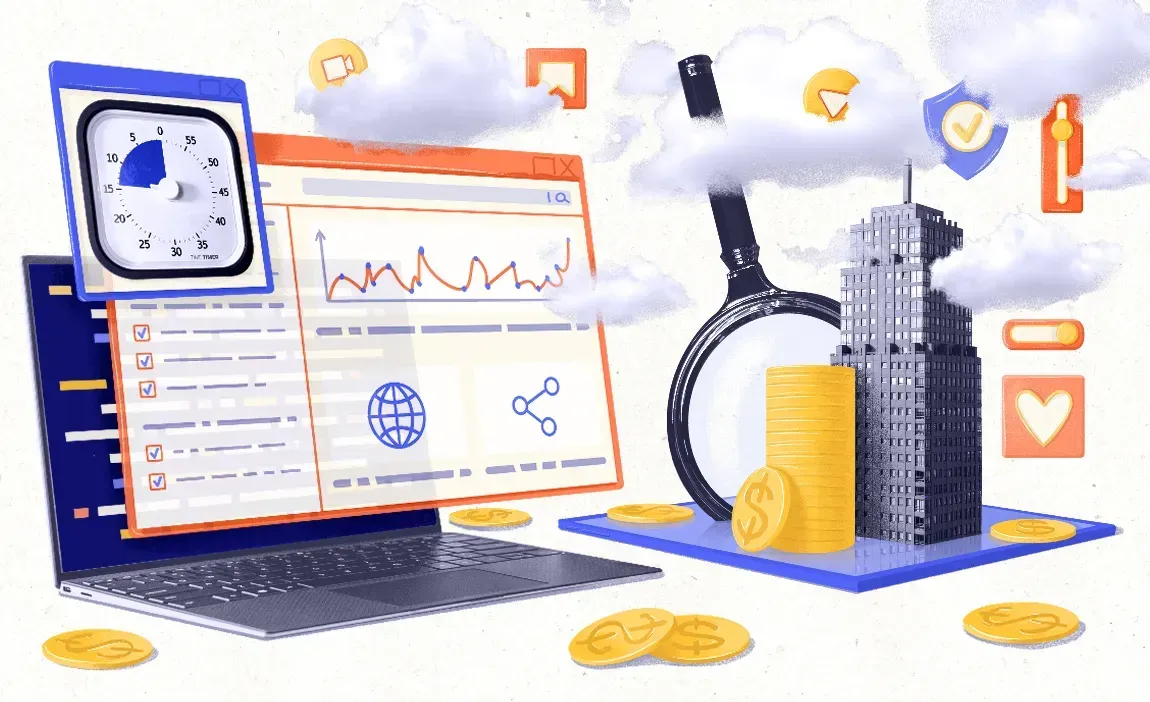
We built an LLM-powered analytics solution that turned complex data into a product users could act on. The new capability helped the client enter an $11.6B market and now supports global brands including BBC and Renault.
We integrated a GPT-powered website assistant trained on the client’s knowledge base to answer questions, capture leads, and qualify them automatically. Connected to HubSpot, it reached 95% answer accuracy and helped generate 500+ qualified leads with engagement data attached.
We developed an AI-powered security platform for environments with 1,000+ workers, helping managers interact with live data from multiple sensor types in real time. The result was faster access to operational insights and smoother decision-making in high-load conditions.
We built a 3D site modeling platform that automatically turns captured site data into usable visual outputs. Trusted by 100+ municipalities, the platform shows how raw operational data can be transformed into a scalable, high-value digital product.























Solution architect

We help you identify, validate, and build data-driven features that solve real problems, fit your product, and generate measurable revenue.
Turn campaign, funnel, and customer journey data into paid insights and smarter automation. AI can power segmentation, personalization, forecasting, and performance analytics that improve conversion rates and create new value for marketing teams.
Use patient, clinical, and operational data to generate predictive insights, support care decisions, and improve service efficiency. Personalize treatment paths, identify risks earlier, and turn health data into actionable products.
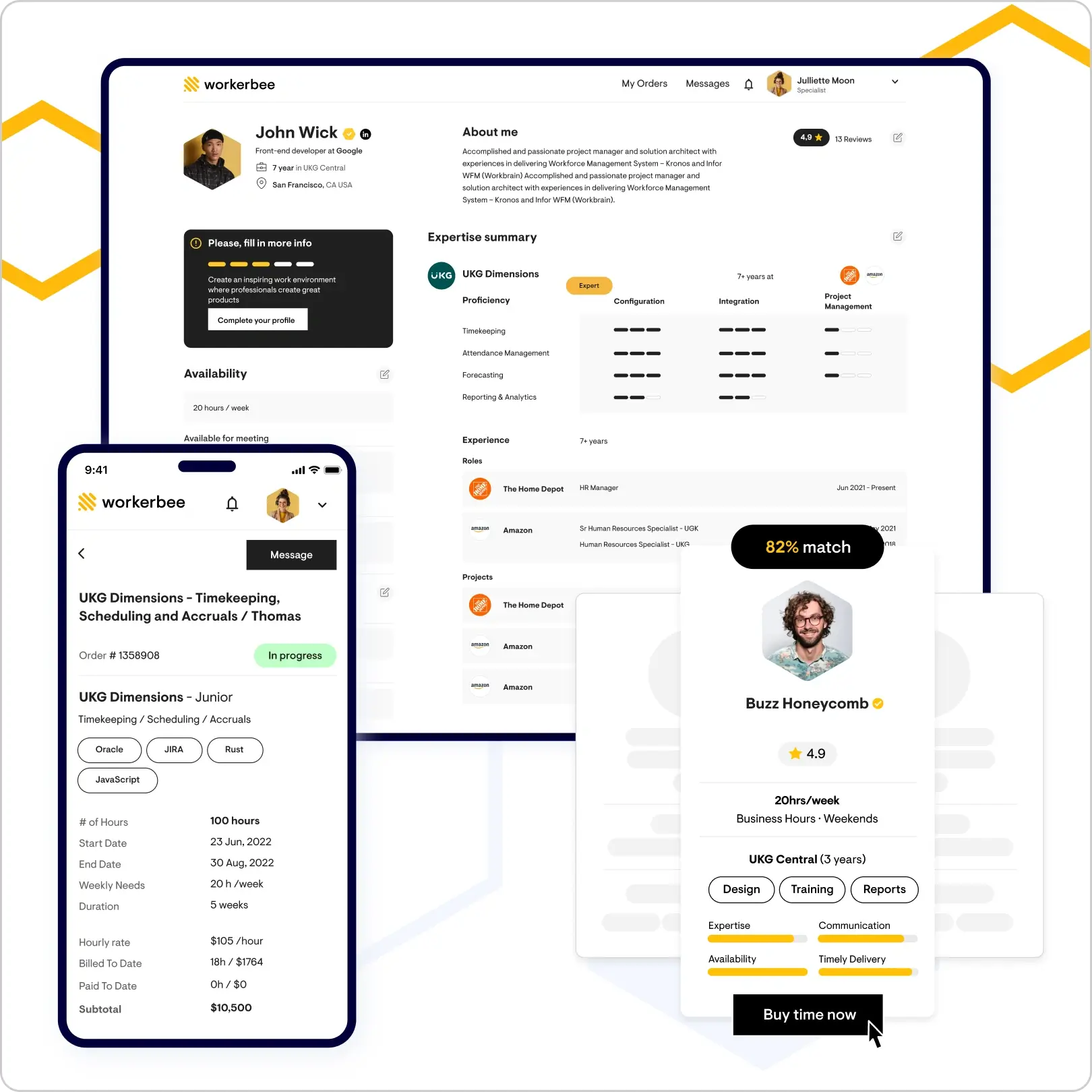
Monetize workforce and hiring data through smarter matching, retention insights, and performance analytics. Streamline hiring, improve placement decisions, and create premium features for employers, recruiters, or internal HR teams.
Turn transaction, supply, demand, and behavior data into revenue-generating features. Improve recommendations, optimize pricing, detect fraud, and deliver premium insights that sellers can use to make better decisions on pricing, inventory, and demand.
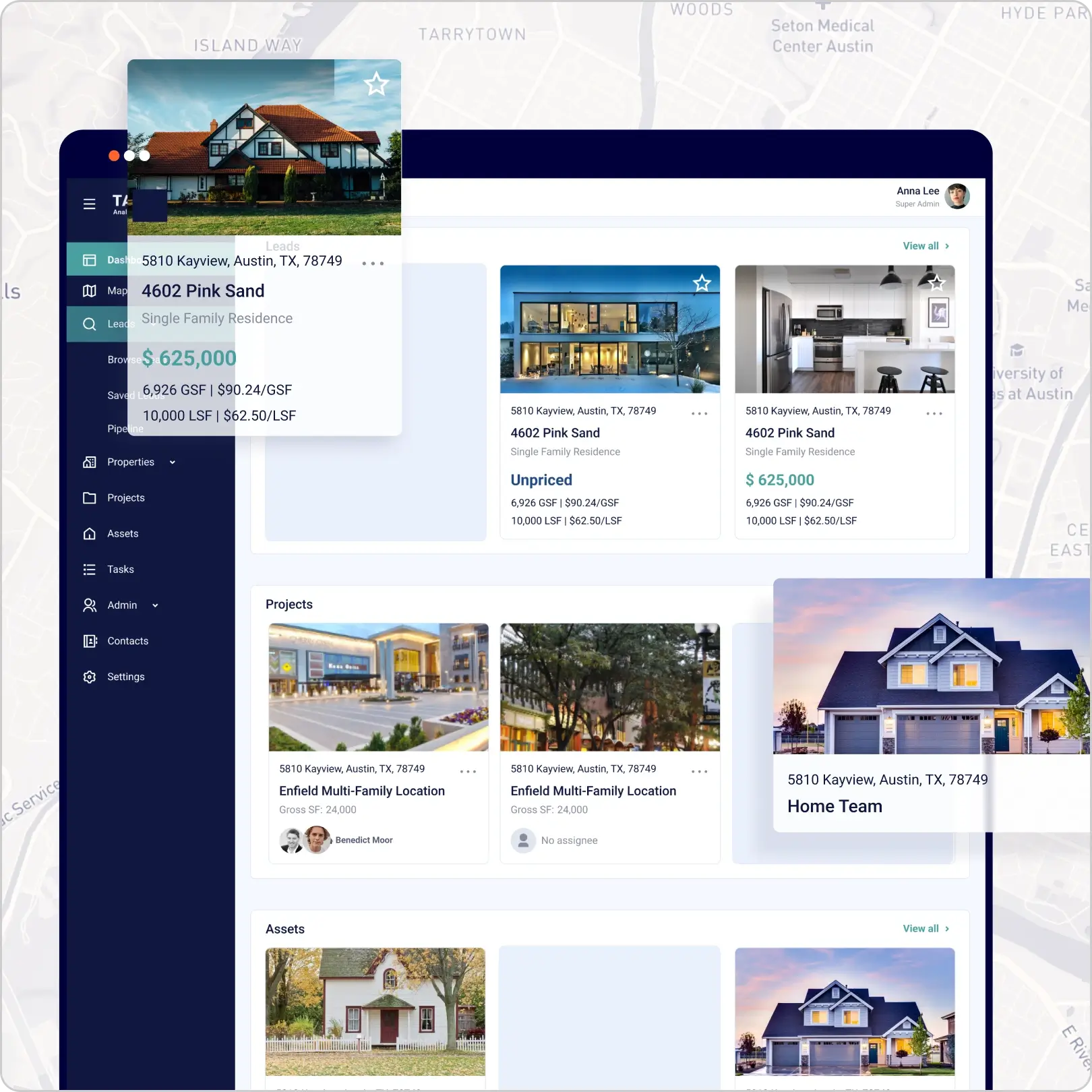
Use property, buyer, and market data to create smarter search, valuation, and recommendation tools. AI can power automated valuations, better-fit property matching, and premium market insights for agents, buyers, and investors.
Transform transaction and customer data into decision-support tools, risk models, and personalized financial insights. Automate scoring, detect fraud, improve recommendations, and create data products that scale with the business.
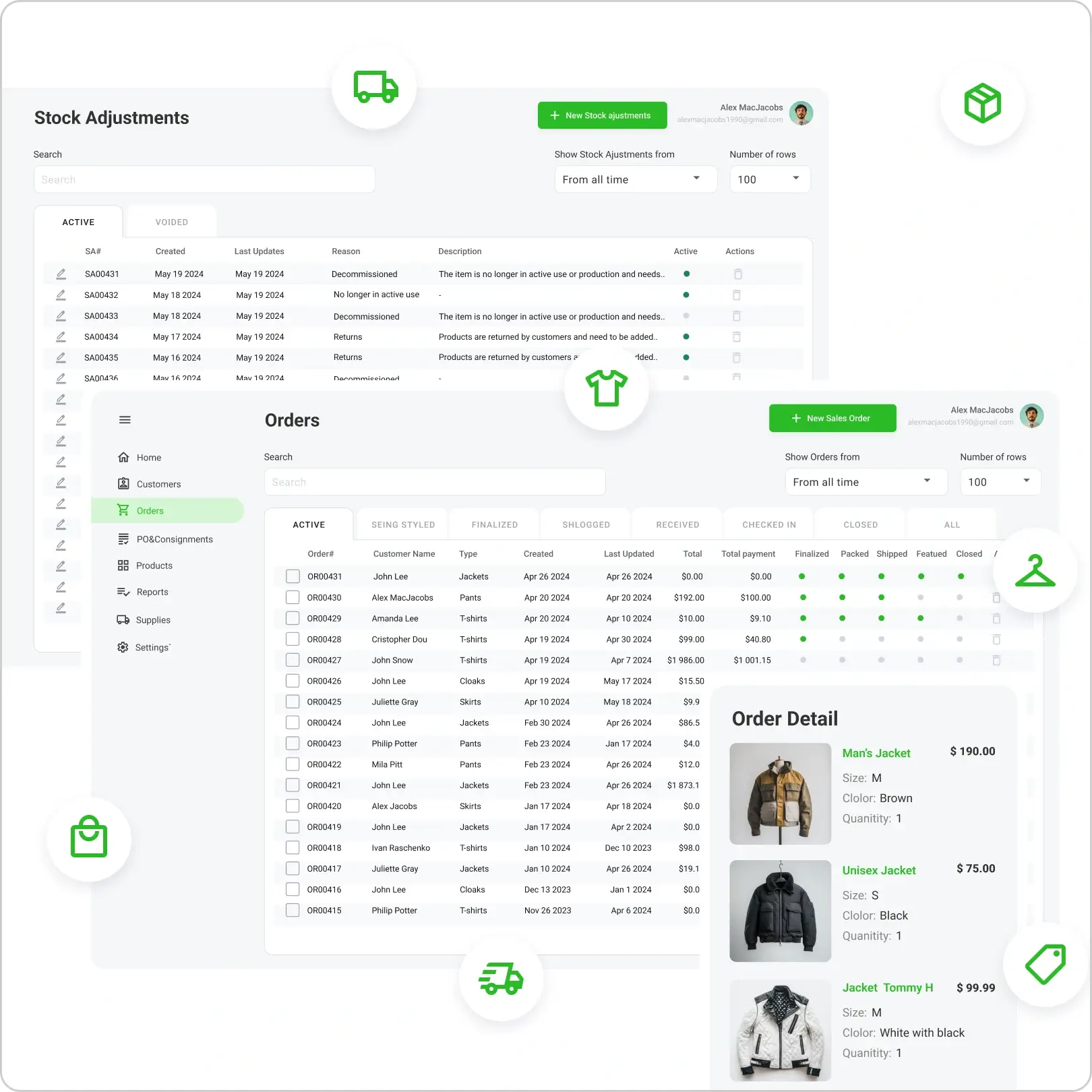
We automate data-heavy workflows such as classification, routing, enrichment, and reporting, turning raw inputs into usable outputs with less manual effort. This helps teams act on data faster, reduce operational overhead, and build scalable features that increase the value of your product or operations.

We turn historical and live data into forecasts, risk signals, and decision-support tools that fit real workflows. These models help businesses spot trends earlier, improve planning, and package insights into premium features that users, partners, or internal teams can rely on.
We build AI matching systems that rank, recommend, and connect the right people, products, or opportunities using behavioral, operational, and contextual data. This improves relevance, reduces manual review, and turns complex decision logic into a product capability that can drive retention, conversion, or revenue.

We stabilize rushed or AI-generated codebases so data products stay reliable, maintainable, and ready to scale. Our work removes fragile logic, restores structure, and reduces firefighting, helping teams keep shipping while protecting the long-term value of the product.

Data monetization with AI means turning the data your product, users, or operations already generate into measurable business value. That value can come in the form of new revenue streams, stronger retention, higher conversion, or faster internal decision-making.
Instead of leaving data in dashboards, exports, or disconnected reports, AI helps turn it into features people actually use, such as predictive insights, recommendations, anomaly alerts, scoring systems, and automated actions. The main advantage is that AI makes data more usable, timely, and decision-oriented, which makes it easier to embed directly into products and workflows.
Regular analytics usually focuses on reporting and visibility. It helps teams understand what happened, where performance changed, and which trends are worth watching.
AI-driven data monetization goes further by turning data into a capability that supports action and creates business value. That can mean forecasts users depend on, recommendations that increase conversion, benchmarks customers pay to access, or alerts that help teams act earlier.
Analytics helps teams understand what happened, while monetized AI features are built to shape behavior, improve outcomes, and support pricing, retention, or efficiency goals.
There is no single best model, because the right choice depends on who receives the value, how often they need it, and how clearly that value connects to money, retention, or efficiency. Some businesses monetize externally through premium analytics, predictive features, partner-facing reports, or usage-based insight products. Others monetize internally by reducing manual work, improving margin, lowering churn, or helping teams make better decisions faster.
In practice, the strongest model is usually the one that fits existing user behavior and product workflows. If customers already make decisions on your platform, embedded AI insights are often easier to monetize than standalone reports.
The right model starts with the decision that your data can improve. First, identify who benefits from the insight: end users, partners, operators, or internal teams. Then look at how frequently they face that decision, how costly a bad decision is, and whether the value is strong enough to support paid access, usage-based pricing, or internal ROI. Some products are a better fit for premium features or benchmarks, while others benefit more from operational AI that improves conversion, retention, or efficiency behind the scenes. A good monetization model is not chosen in isolation. It should match user behavior, delivery complexity, and the real business impact of the insight.
A practical data monetization strategy starts with what your product already captures: behavioral, operational, transactional, or performance signals. The next step is to identify which decisions those signals could improve and where that improvement would create the clearest business value. From there, the work usually moves through feasibility assessment, data review, opportunity selection, feature design, integration planning, delivery, and validation. The key is to start with one focused use case that can prove value quickly, rather than trying to monetize all available data at once. Strong strategies prioritize usefulness, adoption, and business outcomes over technical ambition.
The clearest sign is when your users already make decisions that would improve with better visibility, forecasting, recommendations, or benchmarking. A promising data monetization market usually exists when your product captures unique behavioral, operational, or transactional data that competitors do not package well. The strongest opportunities often come from making existing data easier to act on.
A strong data monetization framework should connect technical reality with business goals. At a minimum, it needs to cover available data sources, data quality, user value, decision points, monetization model, integration architecture, ownership, and success metrics. In AI-driven data monetization, it should also include model selection, explainability, monitoring, failure handling, and how the output will fit into real workflows. This matters because many teams focus too early on models or dashboards without defining what action the insight should support. A good framework keeps the work aligned around value creation, maintainability, and a clear path from raw data to productized outcome.
Most data monetization solutions work best when they are embedded directly into the product experience rather than delivered as a separate tool. That can include premium analytics dashboards, predictive alerts, demand forecasts, recommendation engines, benchmarking layers, smart search, automated scoring, or decision-support features for users, partners, or internal teams.
The best solution depends on where your users already spend time and what decisions they need to make faster or with more confidence. In many cases, value increases when the insight appears at the exact point of action, not in a disconnected reporting environment.
The most practical use cases are usually the ones tied to decisions people already make often, and where better timing or better judgment leads to a visible outcome. Common examples include churn prediction, demand forecasting, lead scoring, recommendations, benchmarking, fraud detection, operational alerts, premium analytics, and internal decision-support tools. These use cases work well because their value is easier to explain, test, and measure. If a feature helps users prioritize, predict, compare, or act faster, it is often easier to adopt and easier to monetize. The strongest use cases are not just technically possible. They are clearly useful in the context of the existing product.
Not necessarily. Many data monetization with AI projects can start with imperfect or limited data if the signals are relevant and consistent enough. Early assessment helps determine whether the right solution is predictive modeling, heuristic scoring, AI automation, or a lighter insight product. The goal is to avoid overengineering and build around the data you actually have.
Yes. In most cases, AI data monetization is introduced inside an existing product through APIs, backend services, dashboards, or workflow steps. This lets teams add monetizable intelligence without rebuilding the platform. A good implementation also considers permissions, latency, failure handling, and long-term maintainability from the start.
Data monetization services timelines depend on data readiness, integration depth, and feature complexity. In many cases, a useful first version can be delivered within a few months if the scope is clear and the use case is well defined. The fastest projects focus on one practical opportunity first, then expand once real usage and business value are proven.
You do. All source code, implemented logic, documentation, and agreed deliverables are transferred to you after delivery. Clear ownership is especially important in AI-driven data monetization because it protects your ability to extend the product, bring work in-house later, and avoid vendor lock-in.
Look for a partner that can do more than build a feature. Strong teams understand product integration, imperfect data, operational constraints, and the commercial side of AI delivery. They should be able to connect AI models to real workflows, define a focused first use case, make sensible tradeoffs around scope and data readiness, and build something your team can maintain after launch.
It is also important to clarify ownership, documentation, integration approach, and how success will be measured. The goal should not be an isolated proof of concept. It should be a production-ready capability that creates business value and can scale with your product.