AI solutions
What we do
Services
Experts in
How we work
Provide instant assistance anytime and handle large conversation volumes without increasing support headcount or slowing response time.
Guide users through setup, explain features, and answer common questions so new users reach value faster and early drop-off is reduced.
Connect the chatbot to product data, documentation, and knowledge bases so answers stay accurate and relevant instead of generic AI replies.
Capture context during conversations and automatically qualify, segment, and route leads to the right sales workflow or CRM pipeline.
Use conversation history, user preferences, and behavioral signals to tailor responses to each user while keeping communication efficient.
Trigger actions like updating records, creating tickets, or assigning tasks directly from chatbot interactions.

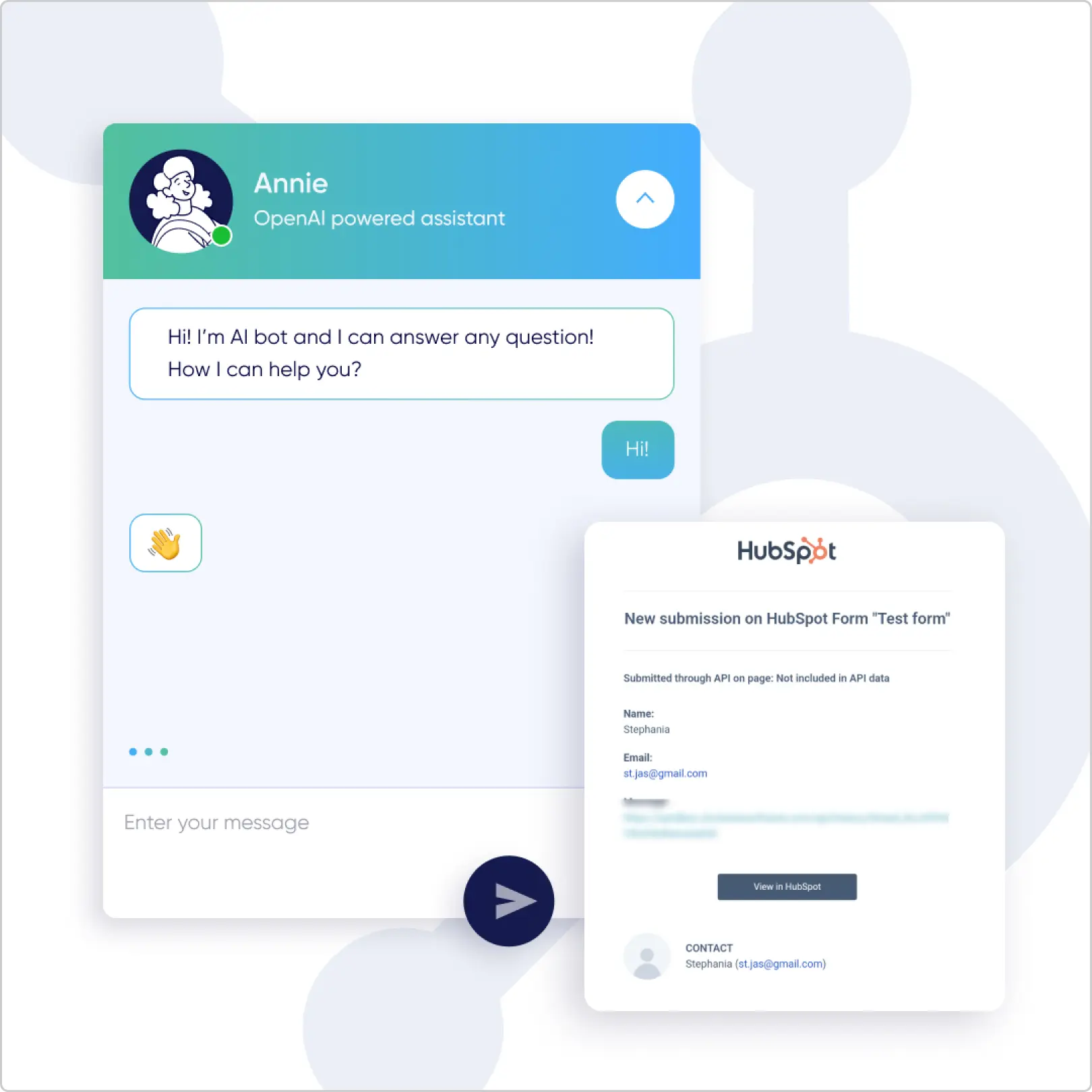
Added a GPT-4–powered assistant to the client's website to improve CRO and capture leads — fully integrated with HubSpot to streamline lead management.
1.5
months delivery
95%+
answer accuracy
500+
leads captured in 1 month

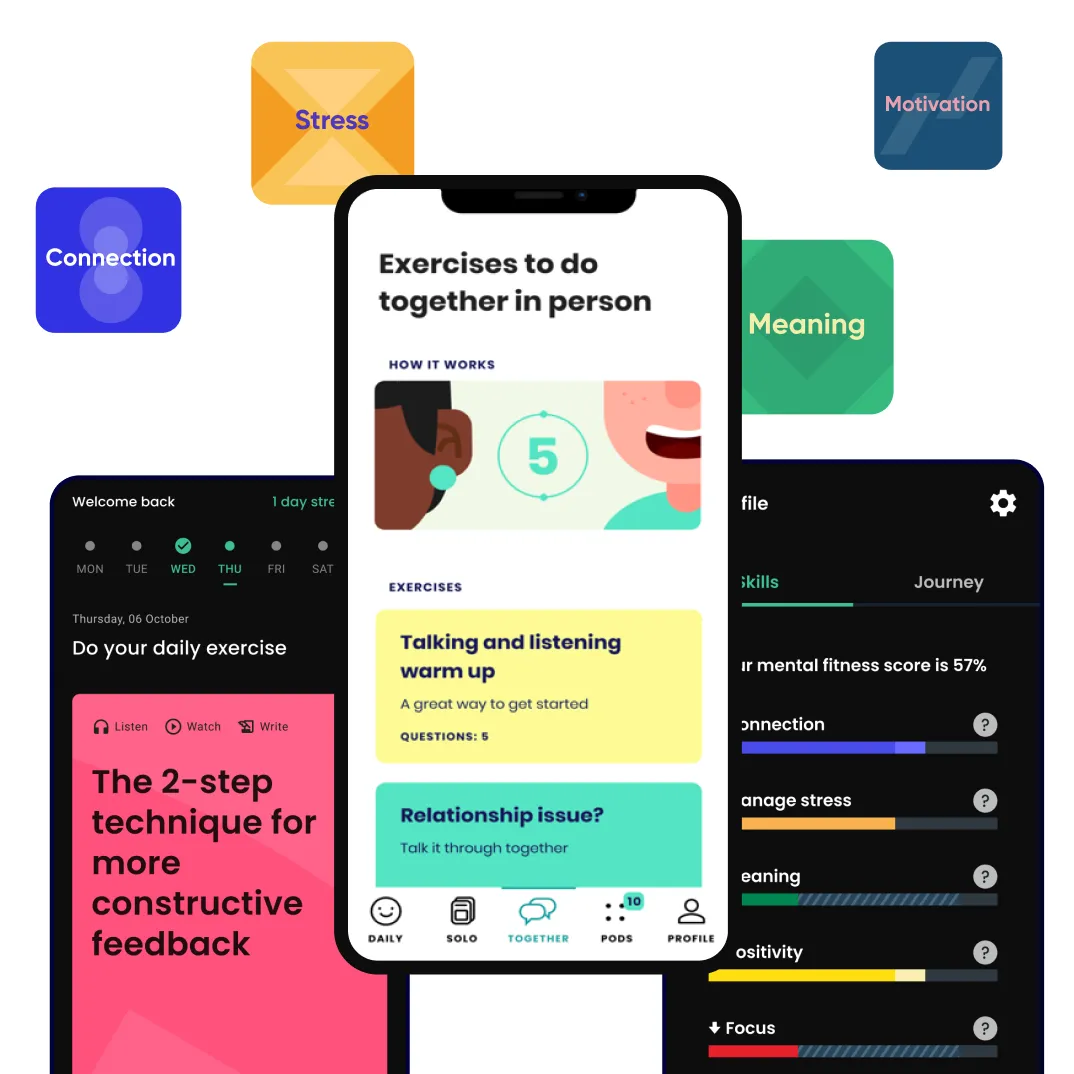
Added AI-powered feature that turned slow, multi-step user onboarding into an automated flow, resulting in enhanced UX and strengthened retention.
3
weeks delivery
67%
faster onboarding
We delivered multiple custom AI chatbot development services projects that moved from concept to production in under 2 months. These assistants achieve over 95% answer accuracy and automate lead capturing and CRM updates, reducing manual support effort and improving response times for users.
20% of our engineers specialize in AI assistants and conversational systems. Every AI-focused engineer on our team has already delivered at least one production chatbot, meaning your project is handled by developers who understand real-world AI behavior, integration challenges, and performance constraints.
With over a decade of experience building API integrations and data pipelines, we ensure an AI chatbot app connects reliably with your CRM, SaaS tools, knowledge bases, and internal systems while maintaining stable performance and secure data flows.
Since 2014, we have delivered more than 200 software products across SaaS, marketplaces, ERP systems, and data platforms. This experience allows us to design AI chatbot architectures that integrate reliably with different product ecosystems and feel native to the platform.
For AI chatbot development we use proven models such as GPT, Claude, and Llama, combined with custom orchestration logic and domain-specific prompts. You get an AI assistant that behaves predictably in production and integrates directly into your ERP, SaaS platform, CMS, or internal workflows.





Our AI chatbot development company builds intelligent conversational assistants using models like OpenAI’s GPT-4, configured with curated business data so responses reflect each client’s tone, services, and priorities. These server-side chatbots answer user questions instantly, guide visitors to relevant services, and capture qualified leads during conversations. Integrated with systems like HubSpot CRM, they automatically transfer contact details and conversation context into the sales pipeline so teams can follow up faster without manual data entry.
We build AI assistants that translate natural-language requests into secure, read-only SQL queries against internal systems. By combining structured database retrieval with internal documentation, these assistants handle hundreds of recurring HR, management, and development requests. You can instantly access role-specific metrics such as retention, team performance, or vacation balances, turning manual reporting that once took hours into answers delivered in seconds.
We integrate AI services such as the ChatGPT API into platforms that require structured data extraction and onboarding automation. Reduce onboarding time and early user drop-off with AI that automatically extracts information from uploaded documents and fills user profiles during signup. Users complete setup faster while platforms improve activation and placement efficiency.
We design AI systems and data-heavy platforms that remain stable under real production load. Our AI functionality supports products used by Aston Martin, WHO, Dyson, Oracle, Unilever, Renault, and the BBC. These platforms process large volumes of operational and media data and must maintain consistent performance as usage grows.
We design chatbot interfaces so they feel like a natural part of your product rather than a separate tool. The assistant is integrated into the interface in a way that feels intuitive, supports existing workflows, and does not disrupt how users interact with the rest of the system. When needed, the chatbot can also trigger actions such as creating tickets, updating records, or passing information to other parts of the platform.
















Solution architect

Most AI chatbot features can be delivered in 4–8 weeks using proven prebuilt models, without turning your roadmap into a long R&D project.
Guide users through complex product features, answer technical questions in real time, and automate account setup and onboarding workflows.
Reduce time-to-value, lower support ticket volume, and improve user retention during the critical product onboarding phase.
Facilitate communication between buyers and sellers, automate initial dispute resolution flows, and help users navigate marketplace features.
Reduce transaction friction, support community moderation at scale, and keep marketplace interactions moving without expanding support teams.
Provide personalized product recommendations, instantly answer order tracking questions, and automate return or exchange requests.
Increase average order value, recover abandoned carts, and deliver faster customer support across the entire purchase lifecycle.
Help visitors quickly get answers about services, pricing, or availability without waiting for a sales representative.
AI chatbots capture intent during these conversations and can automatically schedule consultations or route qualified leads, increasing conversions without expanding the support team.
Provide a secure internal assistant that helps employees resolve IT issues, answer HR policy questions, and navigate internal documentation.
Reduce internal help-desk workload, ensure consistent access to company information, and accelerate onboarding for new employees.
We design and build AI features that integrate directly into product workflows. From selecting the right models to backend integration, testing, and user interfaces, we support the full AI development cycle and make sure the functionality fits naturally into your product.
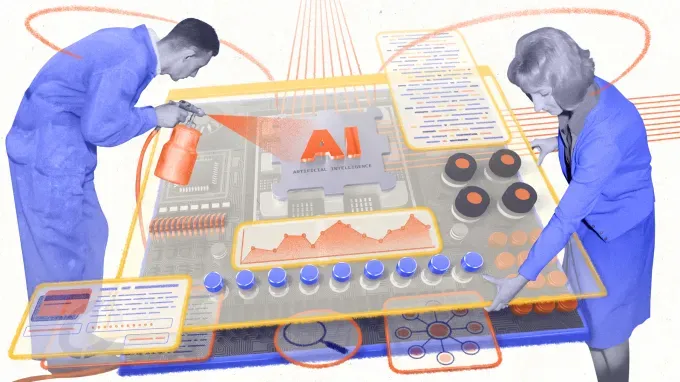
We automate repetitive workflows: processing documents, answering common customer questions, routing leads or support tickets, updating CRM records, and coordinating internal tasks. AI logic is designed around your existing processes, so automation reduces manual work without disrupting operations.
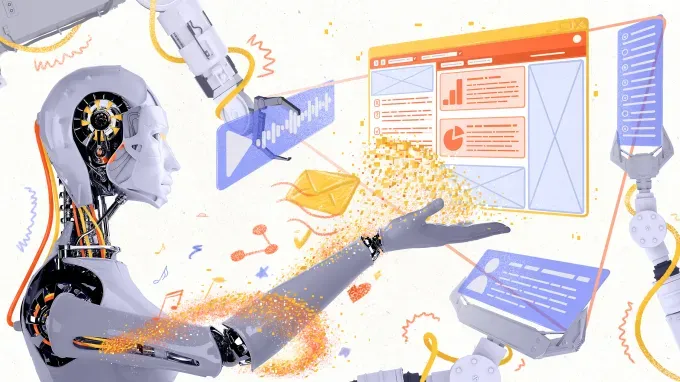
We turn historical and real-time data into forecasts that support planning and decision-making. Models are tailored to your use case and integrated with dashboards or internal tools so teams can identify trends, detect risks, and act earlier.
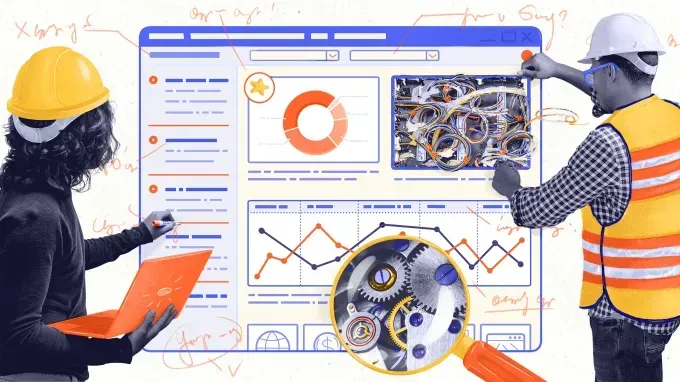
We help turn operational data into revenue by extracting and analyzing patterns with AI models and presenting insights in a clear, usable format. Make profit from your data by creating internal analytics products, partner-facing dashboards, or AI-driven insights embedded directly into your platform.
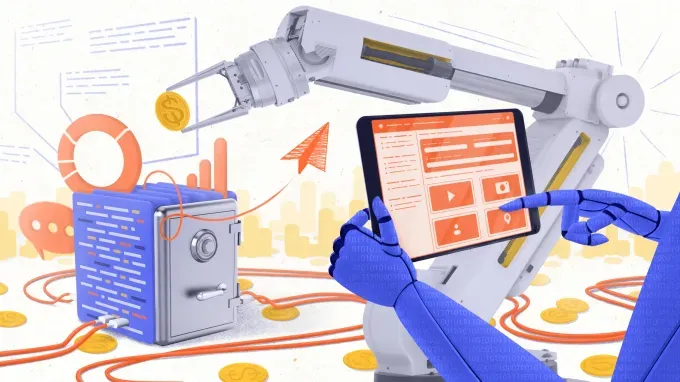
We stabilize codebases affected by rushed development or uncontrolled AI-generated code. Our team reviews architecture, removes fragile logic, and restores maintainable structure, so your system becomes predictable and easier to extend.

AI chatbots can handle a wide range of operational tasks beyond answering questions. They can guide users through product features, automate onboarding flows, qualify leads, process support requests, and trigger actions in connected systems.
When integrated properly, a chatbot becomes part of your product workflow rather than a simple support widget. For example, it can capture user context during conversations, route requests to the correct team, update CRM records, or retrieve information from internal knowledge bases. Depending on the use case, AI chatbot development services can help improve customer interaction or reduce manual work for your team.
Implementation timelines depend on complexity and integration requirements. A basic AI chatbot connected to existing APIs or documentation can often be delivered within 4–8 weeks.
More advanced assistants that include integrations with internal systems, CRM automation, or retrieval from proprietary knowledge bases typically take 2–3 months.
Projects that involve complex workflows, data pipelines, or custom AI models may take longer. We usually determine realistic timelines after conducting project discovery and feasibility analysis - it helps to get accurate figures for your exact case and avoid unnecessary experimentation.
The cost of AI chatbot development service depends on complexity, integrations, and data requirements. Basic AI-powered chatbots, such as website assistants or support bots connected to a knowledge base, typically cost $15,000–$30,000 and can be delivered within a few months.
More advanced solutions that integrate with internal systems, CRMs, or product workflows usually start at $30,000+. These chatbots may include lead qualification, deep workflow automation, and domain-specific fine-tuning so the assistant understands your product, terminology, and business context. Final pricing depends on factors such as integration complexity, data preparation, security requirements, and custom UI or reporting needs.
Not necessarily. Many AI chatbot development projects rely on pretrained models such as GPT or Claude, which already have strong language capabilities. Instead of training models from scratch, developers usually connect them to your data through prompts, retrieval systems, or lightweight fine-tuning. This approach allows chatbots to deliver accurate responses even with limited proprietary data.
What matters more than raw data volume is data relevance, structure, and accessibility. When internal documentation, product data, or knowledge bases are available and well structured, they can be integrated to ground the chatbot’s responses in your business information.
Yes. Most AI chatbots are integrations rather than standalone functionality. Chatbots can connect to CRMs, helpdesk platforms, SaaS tools, internal APIs, and databases. This allows them to retrieve information, update records, or trigger workflows directly from conversations. For example, a chatbot can capture lead details and push them into a CRM, retrieve order status from an internal system, or create support tickets automatically.
Designing these integrations carefully during generative AI chatbot development services ensures that the solution fits naturally into your existing operations instead of creating another isolated tool.
Accuracy is achieved through a combination of model selection, prompt design, and data grounding during AI chatbot development. Pretrained models are configured with domain-specific prompts and connected to reliable knowledge sources: documentation, internal databases, or structured content repositories. Retrieval systems can inject relevant information into the model’s context before generating responses.
We also implement additional safeguards such as validation logic, response filtering, and fallback mechanisms. Together, these approaches ensure that chatbot responses remain accurate, relevant, and aligned with the product or business domain.
Retrieval-augmented generation is a method that allows AI models to access external data while generating responses. Instead of relying only on the model’s training knowledge, the system retrieves relevant information from a knowledge base or document repository and includes it in the response context. This AI chatbot development approach is particularly useful for solutions that need to answer product-specific questions or reference internal documentation. It improves accuracy, keeps answers up to date, and allows the chatbot to work with proprietary information without retraining the entire model.
Data security is addressed at both the infrastructure and application levels. Access controls determine which information the chatbot can retrieve, while secure APIs and authentication layers protect system integrations.
Sensitive data can be filtered or anonymized before being sent to external AI services. In addition, logging and monitoring systems help detect unusual behavior or misuse.
For internal assistants, role-based permissions ensure employees only access information relevant to their responsibilities. These measures allow AI chatbots to operate safely within enterprise environments.
Success metrics depend on the chatbot’s role within the product or business workflow. Common indicators include reduction in support tickets, faster response times, higher onboarding completion rates, improved lead qualification, and increased conversion or retention.
Operational metrics such as response accuracy, conversation completion rates, and escalation frequency are also monitored. Tracking these metrics helps teams identify areas where the chatbot is delivering value and where further optimization or training may be required.
Yes. AI chatbots can qualify leads during conversations by capturing key information such as company size, needs, or budget. This context can be automatically transferred to CRM systems and routed to the appropriate sales team. The chatbot can also recommend services, answer product questions, and guide potential customers toward scheduling consultations or requesting demos.
By automating early qualification steps, chatbots reduce manual work for sales teams and help ensure that high-intent prospects reach the right representatives faster.
Expert AI chatbot development services include fallback mechanisms that prevent poor user experiences when the model lacks sufficient information. If the chatbot cannot confidently generate a response, it can request clarification, offer alternative resources, or escalate the conversation to a human representative: create support tickets, transfer conversations to live agents, or provide contact options. This ensures users still receive help even when automation reaches its limits.
Yes, but the level of maintenance is manageable. Over time, models may require prompt adjustments, updated knowledge sources, or changes in workflow logic as the product evolves. Monitoring conversation logs helps identify gaps in responses and opportunities to improve accuracy.
Regular updates ensure the chatbot remains aligned with new product features, policies, or data sources. AI chatbot development process with proper architecture and documentation makes these improvements can be implemented incrementally without major system changes.
Off-the-shelf chatbot platforms can work for basic customer support scenarios, but custom development becomes valuable when deeper integration or product-specific workflows are required.
Custom AI chatbot development solutions allow chatbots to connect directly with internal systems, access proprietary data, and trigger business processes automatically. They also offer greater flexibility in how AI models are configured and how user interactions are handled. The right choice depends on the complexity of your workflows, the importance of AI within your product, and the level of control you need over the system.
Both options can work, but they suit different situations. Building an AI chatbot in-house gives you full control, but it also requires hiring AI engineers, backend developers, and specialists who understand model integration, data pipelines, and conversational design. That process can take months.
Outsourcing AI chatbot development services allows you to start faster with a team that already has experience building AI-powered chatbots and integrating them into real products. This approach reduces hiring overhead, speeds up delivery, and gives access to specialists without building a full AI team internally.
Outsourcing AI chatbot development is usually the best option when your company wants to add AI functionality quickly without building an internal AI department. It works especially well for SaaS platforms, marketplaces, and service businesses that need AI-powered chatbots integrated with existing systems.
Experienced AI chatbot development company already has proven approaches for model integration, workflow automation, and data retrieval. This reduces technical risk, keeps development predictable, and allows your internal team to stay focused on product strategy and business growth.
When evaluating AI chatbot development services vendors, look beyond technical buzzwords. A strong partner should have real experience integrating AI-powered chatbots with product workflows and internal systems.
It’s also important to assess their delivery process, estimation practices, and approach to data security and system architecture. Vendors who have delivered multiple production AI projects can better anticipate integration challenges, choose the right model strategy, and design chatbot systems that remain stable as your product and data grow.
Yes. With professional AI-powered chatbots development services, ownership of the codebase, integrations, and documentation typically belongs to the client after delivery. This means your internal team can maintain or extend the AI-powered chatbot later without depending on the original vendor.
To ensure long-term flexibility, the chatbot architecture should use widely adopted technologies, clear documentation, and modular integrations. With this approach, you can avoid vendor lock-in after AI-driven chatbot development services and manage system scalability with less effort as your product grows.