AI solutions
What we do
Services
Experts in
How we work



Forecast sales and renewals using models trained on historical and behavioral data. Plan revenue with more confidence and less volatility.
Use AI forecasts to guide budget decisions. Invest in marketing, sales, and operations where the probability of return is the highest.
Detect early churn signals hidden in user behavior. Trigger retention actions before customers disengage and revenue is lost.
Predict product demand and workload shifts using AI. Align inventory, staffing, and production with expected volumes.
Identify patterns behind delayed payments and revenue dips. Spot liquidity risks earlier and plan corrective actions sooner.
Simulate pricing and discount scenarios with AI before execution. Protect margins and choose strategies with the best outcomes.


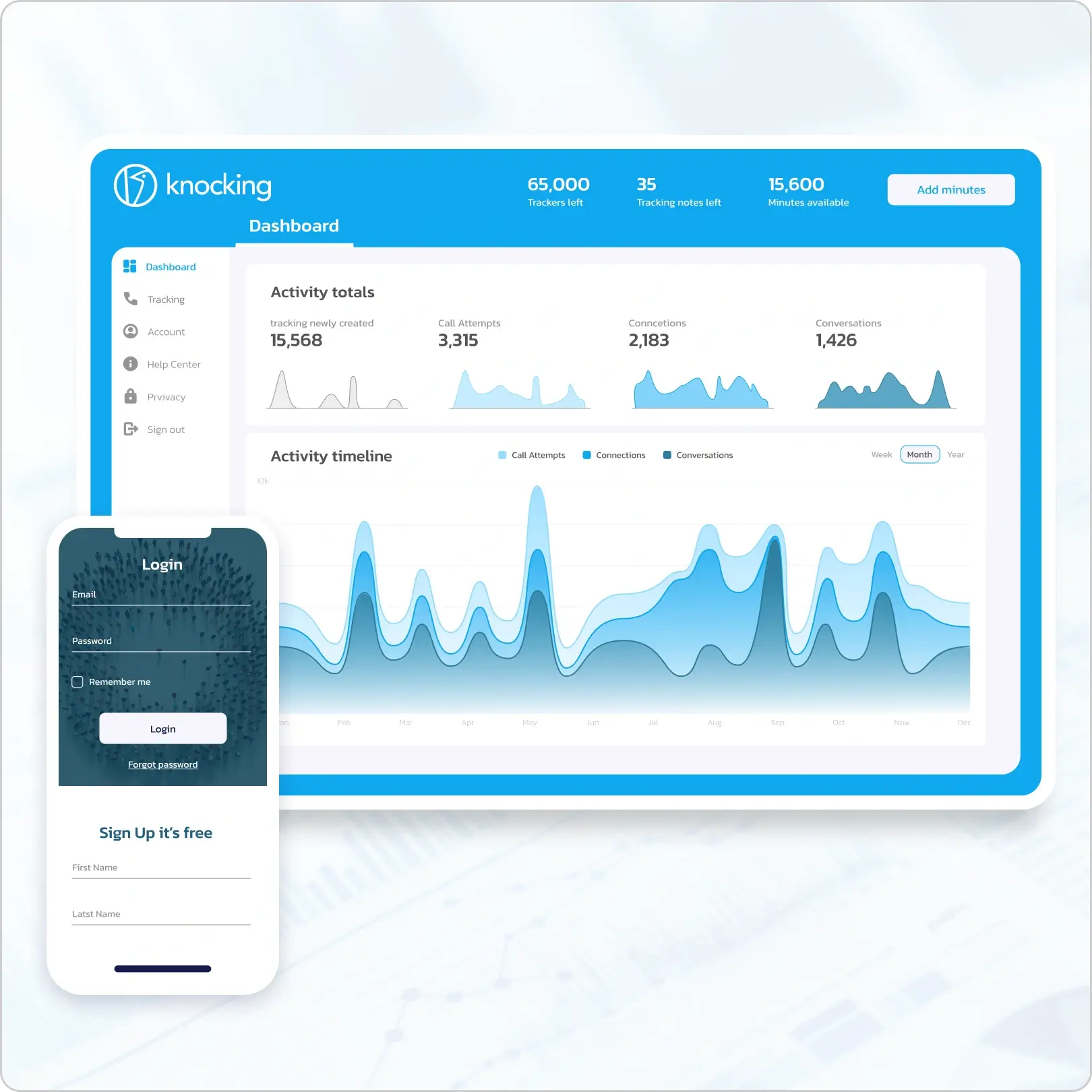
Added AI-powered feature that turned slow, multi-step user onboarding into an automated flow, resulting in enhanced UX and strengthened retention.
3
weeks delivery
67%
faster onboarding
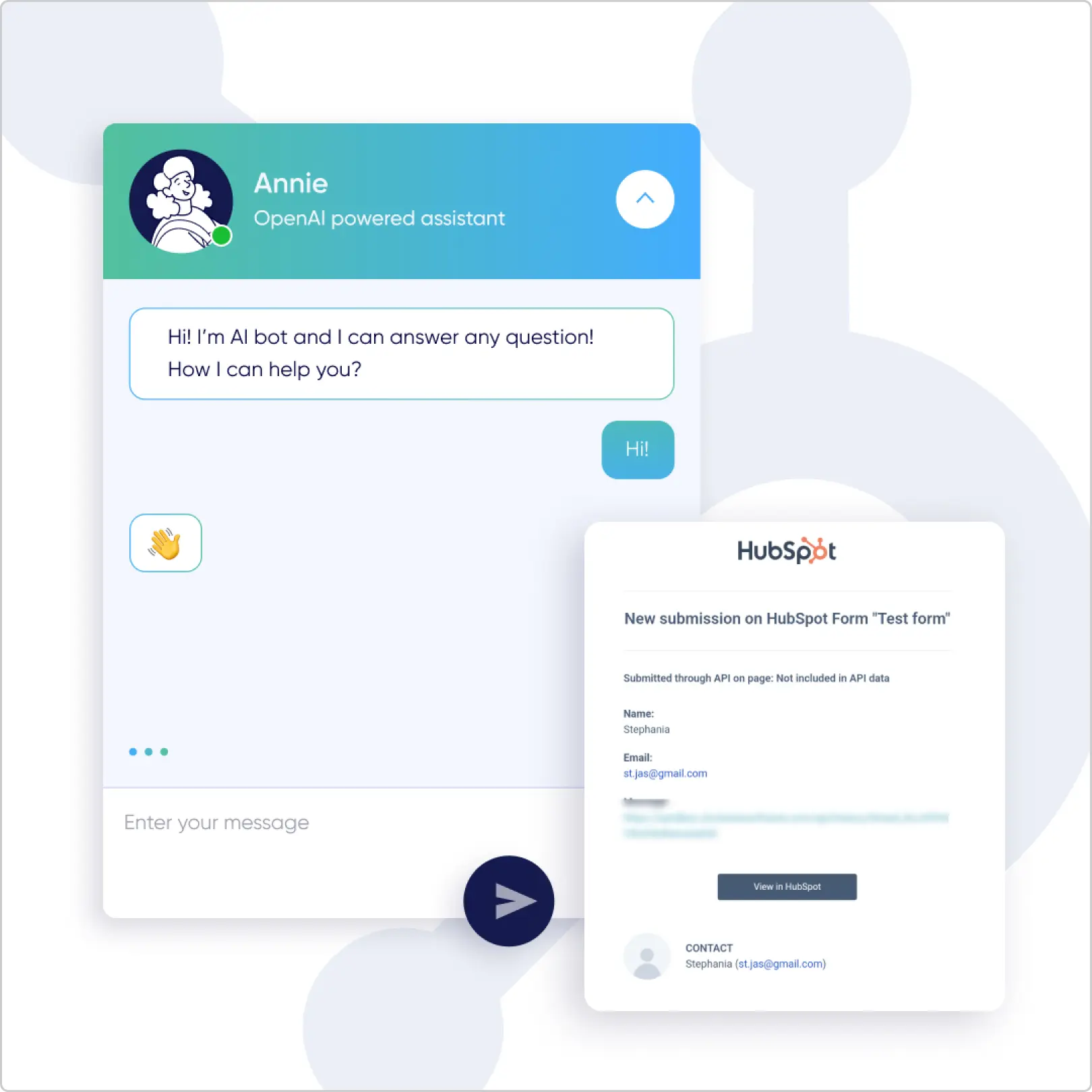
Added a GPT-4–powered assistant to the client's website to improve CRO and capture leads — fully integrated with HubSpot to streamline lead management.
1.5
months delivery
95%+
answer accuracy
500+
leads captured in 1 month
Our predictive analytics software development company has built forecasting models for demand planning, revenue prediction, and customer behavior analysis used by product, marketing, and operations teams. With this experience, we know which signals matter and how to make predictive systems work reliably in real operational environments.
Around 20% of our engineers work directly with predictive models, embeddings, and LLM-based analytics. This experience helps us build AI-powered predictive analytics solutions that identify patterns in data and support realistic scenario analysis.
AI-powered predictive analytics works best when embedded into existing systems. With 10+ years of integration experience, we connect forecasting models to your data infrastructure and operational workflows, so they become a natural part of your processes.
Our team has delivered 200+ products, including SaaS, marketplace, and ERP systems. We know the specifics of diverse systems, so we design predictive analytics solutions that fit naturally into real products and continue working as systems grow.
We build predictive analytics software that processes large volumes of data and operates under continuous load. Similar platforms we’ve developed are used by organizations such as Aston Martin, WHO, Dyson, Oracle, and Unilever.
Our predictive analytics company builds forecasting systems using machine learning models adapted to your data and workflows. We also integrate LLM technologies such as GPT, Claude, and Llama when analyzing unstructured data or generating insights around predictions.






Predict missing demographic attributes using machine learning models trained on behavioral and contextual signals. Our models infer age group, language, country, and gender distribution even for private profiles while maintaining around 80% accuracy across demographic fields.
Predict resource utilization and operational trends using movement data from micro-location and IoT systems. AI models analyze historical geospatial patterns to identify anomalies and forecast demand for equipment, facilities, and workforce allocation.
Automate database enrichment and lead scoring with high-volume data pipelines. We can build predictive analytics software that processes signals from CRM systems, product analytics tools, or platforms like Instagram, TikTok, and YouTube to identify engagement patterns and convert data into actionable business intelligence.
Detect operational risks early by analyzing large volumes of data. Predictive analytics solutions compare real-time signals with historical patterns to highlight anomalies, safety risks, and performance deviations before incidents escalate in environments such as airports and logistics hubs.






















Solution architect

We build predictive pipelines that analyze historical performance and live signals to anticipate demand, risks, and operational trends.
Forecast audience trends beyond surface-level metrics. Predict creator growth, audience demographics, and engagement patterns to support data-driven campaign planning.
Machine learning models analyze behavioral signals and historical performance data, helping teams select partners and optimize marketing investments even when platform data is limited.
Anticipate operational bottlenecks before they disrupt workflows. Predict asset utilization, facility load, and workforce demand using movement and density patterns.
AI-powered predictive analytics models analyze real-time IoT and location data to forecast resource strain, allowing teams to adjust staffing, equipment allocation, and operational schedules earlier.
Move from reactive analytics to demand-aware operations. Predict product demand shifts and identify high-value users earlier.
AI models analyze behavioral and transaction signals to forecast demand spikes and purchasing intent, helping marketplaces improve matching logic, inventory planning, and transaction velocity.
Forecast patient and user needs to support more efficient care and service delivery. Predict demand for services and identify optimal user pathways.
Predictive scoring models analyze operational and behavioral data to match users with appropriate care flows, improving throughput, scheduling efficiency, and decision support.
Detect financial risk patterns earlier using predictive analytics. Identify anomalies in transaction behavior and emerging fraud signals.
Machine learning models analyze metadata and transaction patterns to highlight suspicious activity, credit risk indicators, and operational anomalies before they escalate.
Identify investment opportunities earlier using predictive market insights. Forecast property value shifts and long-term asset performance.
Predictive AI models analyze historical pricing data, market indicators, and portfolio trends to match investors with assets aligned with projected growth potential.
We design and integrate AI functionality directly into digital products and operational systems. From model selection to backend integration and user interfaces, we build AI features that work reliably in real production environments and support everyday business workflows.
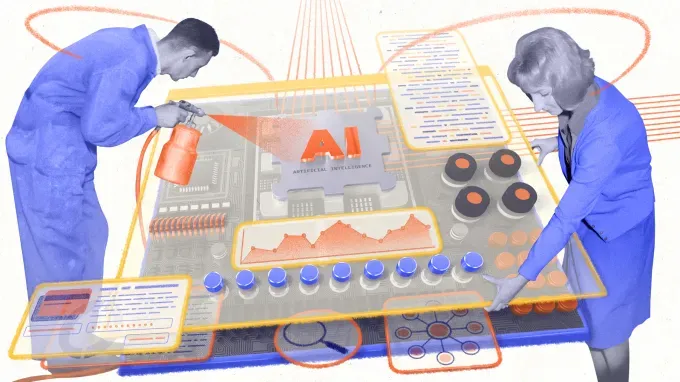
Automate repetitive operational tasks with AI models that handle data processing, document analysis, routing decisions, and customer interactions. We integrate automation directly into existing systems so workflows become faster and less dependent on manual work.

Build intelligent matching systems that connect users, products, or services based on behavioral signals, historical data, and contextual factors. AI-driven ranking improves relevance and helps users find the right options faster without relying on complex rule-based filters.

Turn operational data into new revenue streams using predictive analytics and AI-driven insights. We build analytics tools, recommendation systems, and data products that transform internal datasets into valuable services for customers, partners, or internal teams.

Stabilize codebases affected by rushed development or uncontrolled AI-generated code. We review architecture, remove fragile logic, and restore clear system structure so teams can safely extend the product without fighting hidden dependencies or unstable behavior.

Predictive analytics software development becomes useful when teams need to anticipate outcomes rather than simply review past performance. Traditional reporting shows what already happened. Predictive models estimate what is likely to happen next.
This approach is especially helpful when decisions depend on multiple signals such as historical activity, user behavior, seasonality, or external factors. Predictive models can process these variables together and estimate probable outcomes.
If current dashboards already support stable planning and forecasting, advanced predictive models may not be necessary yet. They provide the most value when uncertainty, volatility, or complex patterns make manual forecasting difficult.
Yes. In most implementations, predictive analytics in software development is embedded into existing systems rather than introduced as a standalone platform.
We integrate predictive models with your existing software, data sources, and internal tools. Forecasts appear inside dashboards, internal systems, or workflows your team already uses.
We also design the integration so predictive functionality feels like a natural part of the product rather than a separate analytics tool. This allows teams to introduce AI capabilities gradually without disrupting existing processes.
Predictive analytics software usually works with a combination of historical records, behavioral signals, and operational metrics. The exact data depends on the problem being solved.
For example, forecasting demand may rely on sales history, seasonal patterns, marketing activity, and supply data. Customer behavior models may analyze usage patterns, engagement signals, and transaction history.
Your data doesn’t need to be perfect at the start of the project. Early analysis helps identify gaps, inconsistencies, or missing fields so the implementation approach can be adjusted accordingly.
Yes. Imperfect data is common in real systems and does not automatically prevent predictive modeling.
During early AI predictive analytics product development stages, teams assess data quality and identify missing values, inconsistent formats, or unreliable signals. Based on this analysis, data can be cleaned, normalized, or supplemented with proxy indicators.
In some cases, models are designed to remain stable even when certain inputs are missing. With planning for imperfect data, it’s possible to prevent unstable results and keep implementation predictable.
Model performance is monitored continuously after deployment. Predictive analytics services vendors typically track metrics such as forecast accuracy, prediction stability, and business outcomes influenced by the model.
Over time, predictions are compared with real results to understand where the model performs well and where adjustments may be needed. With this feedback, we can refine models as new data becomes available.
Implementation timelines depend on the scope, data readiness, and integration complexity.
In many cases, a working predictive system can be introduced within 2-4 months when the use case is clearly defined and the required data sources already exist. We provide precise estimates after discovery and feasibility analysis.
Many teams start predictive analytics software development with a focused model that supports a single decision process, then expand predictive capabilities gradually as the system proves useful.
Yes. Predictive analytics software is designed to evolve as products, markets, and user behavior change.
New data sources can be introduced, signals can be reweighted, and forecasting logic can be adjusted without rebuilding the entire system. This allows predictions to remain relevant as conditions shift.
Predictive analytics is most valuable in areas where decisions rely on large datasets or where outcomes change frequently. For example, revenue forecasting, churn prediction, demand planning, operational risk detection, and lead prioritization. In these scenarios, predictive models help teams anticipate changes earlier and respond more effectively.
Organizations often start AI predictive analytics development services with one high-impact use case and expand predictive capabilities over time.
Predictive AI outputs are usually presented through dashboards, scoring systems, or other interfaces that translate model outputs into clear indicators.
Rather than exposing raw model data, systems highlight key signals such as probability scores, trend forecasts, or anomaly alerts. This allows teams to understand predictions without needing deep technical knowledge. Explainable outputs also make it easier to validate results and adjust logic when needed.
In-house development offers more control but requires hiring experienced data scientists, ML engineers, and data engineers. Building that team can take significant time and investment.
Outsourcing to a predictive AI development partner allows companies to start faster with specialists who already have experience building production-ready models and data pipelines. Internal teams can then focus on product strategy and business decisions while the external team handles implementation.
Before AI predictive analytics development services begin, teams should confirm the business objective, available data sources, data volume and its quality, and the decisions the predictive system should support.
It is also useful to align on success metrics, integration requirements, ownership of the models and code, and how predictions will be monitored after launch. These details help avoid scope misunderstandings and keep implementation predictable.
Yes. A well-designed predictive system should be transparent and maintainable by internal teams.
This usually means documented data pipelines, clearly structured model logic, and accessible infrastructure. Proper documentation and knowledge transfer sessions ensure that your team can continue evolving the system without relying on the original predictive AI development company.
Predictive systems require monitoring and periodic updates as data patterns change. A responsible predictive analytics services vendor sets up monitoring for model accuracy, data drift, and system performance.
These mechanisms allow teams to identify when a model needs retraining or adjustments. Ongoing evaluation ensures that predictions remain useful as products, users, and operational conditions evolve.
Successful projects require both machine learning expertise and strong system integration skills.
A reliable predictive analytics software development company should understand data pipelines, model evaluation, API integration, and operational constraints. Equally important is designing systems that are explainable, maintainable, and easy to expand.
Teams should also look for experience with similar workflows or industries, since domain context often plays a large role in prediction quality.
The main risks typically relate to unclear goals, insufficient data quality, or unrealistic expectations about model accuracy.
These risks are reduced through early data analysis, proof-of-concept work, and clearly defined success metrics. Transparent communication with your predictive analytics firm and regular validation during development also help keep the project aligned with business objectives.
Yes. Many predictive analytics and AI development services projects begin with a focused use case such as forecasting demand for core product or service categories, identifying risk patterns, or predicting customer behavior.
Once the system proves its value, additional signals, models, and prediction scenarios can be added. This approach allows you to validate results early while keeping development manageable and cost-effective.
Ownership of the models, codebase, and supporting infrastructure remains with the client and is explicitly defined in the contract.
This includes the training logic, data processing pipelines, documentation, and deployment setup. Clear ownership ensures long-term flexibility and prevents dependency on a single predictive analytics services vendor.
With full access to the system, internal teams can maintain, extend, or transfer development responsibilities whenever needed.